Insurance Insights & Guidance
Fully Covered
Comprehensive insurance education covering every angle of personal and commercial coverage.

Where you get your quotes affects what you see. Independent agents compare multiple carriers while direct carriers show only their own products. Understanding this distinction shapes your comparison strategy.

More Stories
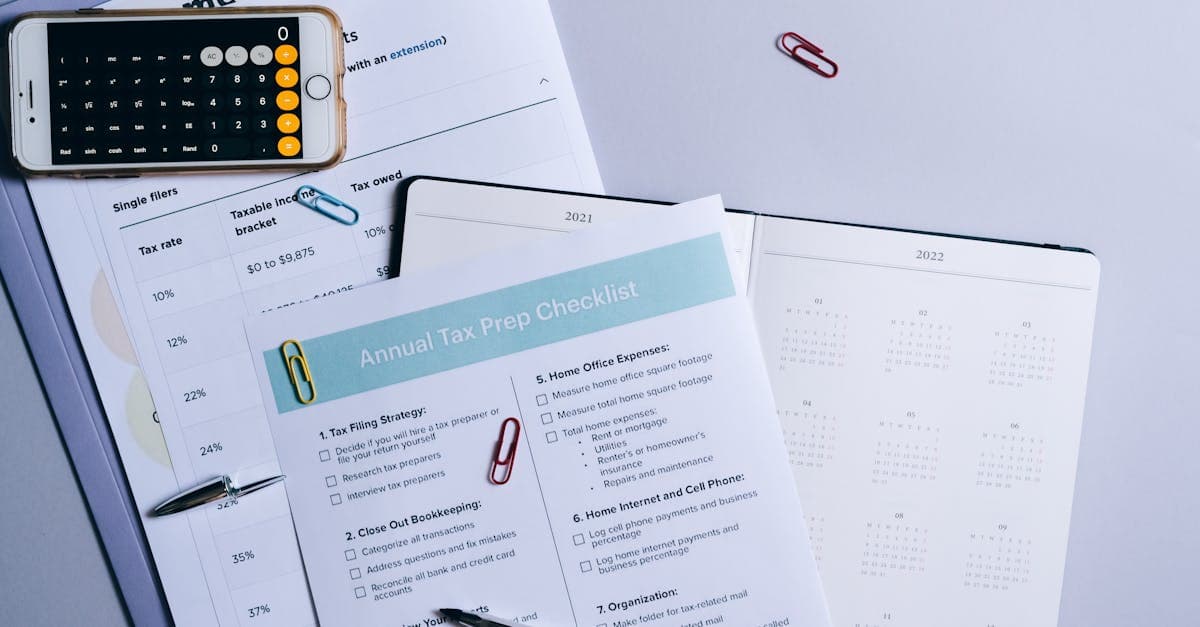
Policy Checkup for Life Insurance: Does Your Coverage Still Match Your Needs?
Life insurance needs change as children grow, mortgages are paid down, and retirement savings accumulate. A checkup ensures your death benefit still provides the protection your family needs.

Assignment of Benefits and Insurance Litigation: How Lawsuits Escalate
When a contractor with your AOB disputes the insurer's payment, they can sue your insurer in your name. This litigation drives up costs and can affect your claims history.

Why Documentation Quality Is the Biggest Factor in Claim Speed
Complete, organized documentation eliminates back-and-forth with your adjuster and accelerates every stage of the claims process. Investing time in documentation saves weeks of waiting.

Filing a Police Report Before an Insurance Claim: When It Is Required
Theft, vandalism, and certain liability claims require a police report before your insurer will process the claim. Understanding when a report is necessary and how to file one properly prevents delays.

The Mistake of Ignoring Inflation When Calculating Coverage Needs
A life insurance policy purchased today must fund future expenses at inflated prices. Failing to account for inflation means your coverage amount loses purchasing power every year it remains unchanged.
What Is an In-Force Illustration and Why Do You Need One?
An in-force illustration updates your original illustration with current policy values and current assumptions. It shows how your existing policy is actually performing versus the original projections.

Tips to Get the Best Results on Your Life Insurance Medical Exam
Fasting for 8 to 12 hours, drinking water, avoiding alcohol for 48 hours, and skipping intense exercise before the exam can improve your blood work results and help you qualify for better rates.

Can a DUI Prevent You From Getting Life Insurance?
A DUI or DWI conviction affects life insurance underwriting significantly, especially if recent. Most insurers require a waiting period after a DUI before offering standard rates, and multiple offenses create greater challenges.

How Cash Value Accumulates in Life Insurance and When You Can Borrow
Cash value in whole life policies grows slowly in the early years and accelerates over time. Most policies require several years of premium payments before meaningful borrowing capacity becomes available.

Indexed Universal Life Cash Value: Earning Returns Linked to Market Indexes
Indexed universal life insurance credits cash value based on the performance of a market index like the S&P 500 with caps and floors. Understanding these mechanics reveals both the potential and the limitations.

Death Benefit Claim Process: How Your Beneficiaries File and Receive Payment
Filing a death benefit claim requires a death certificate and a completed claim form. Most insurers process straightforward claims within two to four weeks of receiving complete documentation.

Can an Ex-Spouse Receive Life Insurance Proceeds If Still Listed as Beneficiary?
In most states, a named beneficiary designation on a life insurance policy overrides a will. If your ex-spouse is still listed as beneficiary, they may receive the death benefit regardless of your divorce.

Why Naming Your Estate as Beneficiary Is Usually a Mistake
Naming your estate as beneficiary subjects life insurance proceeds to probate, potential creditor claims, and estate taxes. Direct beneficiary designations avoid these problems and get money to your loved ones faster.

Employer Group Life Insurance Beneficiary: Do Not Forget to Update It
Many employees name a beneficiary when they start a new job and never think about it again. Years later, that designation may name an ex-spouse, a deceased parent, or someone who no longer makes sense.

How Divorce Affects Your Life Insurance Beneficiary Designation
Divorce laws regarding life insurance beneficiaries vary by state. Some states automatically revoke an ex-spouse beneficiary upon divorce while others do not. Knowing your state's rules prevents unintended consequences.

Life Insurance for Jumbo Mortgage Holders: Higher Stakes, Higher Coverage
Jumbo mortgages above conforming loan limits require larger life insurance policies. The cost of coverage is proportional, but the protection is essential given the higher debt exposure.

Term Life Insurance for Childless Couples: Affordable Peace of Mind
Term life insurance provides affordable coverage for the years when shared financial obligations are highest. Childless couples can choose shorter terms that match their specific needs.

The True Cost of Whole Life Insurance Over a Lifetime
Whole life premiums are 5 to 15 times higher than equivalent term coverage. Over decades, total premiums paid may exceed the death benefit. But the guaranteed cash value and permanent coverage provide value that total premium comparisons miss.

Universal Life Insurance Withdrawals: Rules and Tax Implications
Withdrawals from universal life cash value are generally tax-free up to the amount of premiums paid. Withdrawals beyond the cost basis are taxed as ordinary income and may reduce the death benefit permanently.

Whole Life Insurance vs Universal Life: Key Differences Explained
Both whole life and universal life provide permanent coverage, but they differ in premium flexibility, cash value growth mechanisms, and guarantees. Understanding these differences helps you choose the right permanent policy.

Term Life Insurance vs Annual Renewable Term: Understanding the Difference
Level term life locks in premiums for ten to thirty years. Annual renewable term starts cheaper but increases every year. For most families, level term provides better long-term value.

Do You Need Life Insurance After 60? Calculating Late-Career Coverage Needs
Life insurance needs after sixty depend on remaining debts, survivor income needs, estate planning goals, and whether retirement savings are sufficient to support a surviving spouse.

Life Insurance to Protect Cosigners on Loans and Debts
If a parent cosigned your student loans or a partner cosigned your business loan, your death makes them fully responsible. Life insurance protects cosigners from inheriting your financial obligations.

Life Insurance Riders: Optional Add-Ons That Customize Your Coverage
Life insurance riders are optional provisions that add features to your base policy such as accelerated death benefits, waiver of premium, and accidental death coverage. Riders tailor your policy to your needs.

Basement Apartment Flood Insurance: Protecting Below-Grade Renters
Renters in basement apartments face elevated flood risk from rising groundwater, surface water intrusion, and sewer backup. A contents-only flood policy provides essential protection for below-grade living spaces.

How to Check if Your Condo Association Has Adequate Flood Insurance
Reviewing your association's RCBAP coverage limits, deductibles, and exclusions reveals whether the building is adequately protected. Unit owners should request proof of flood insurance from their HOA board annually.
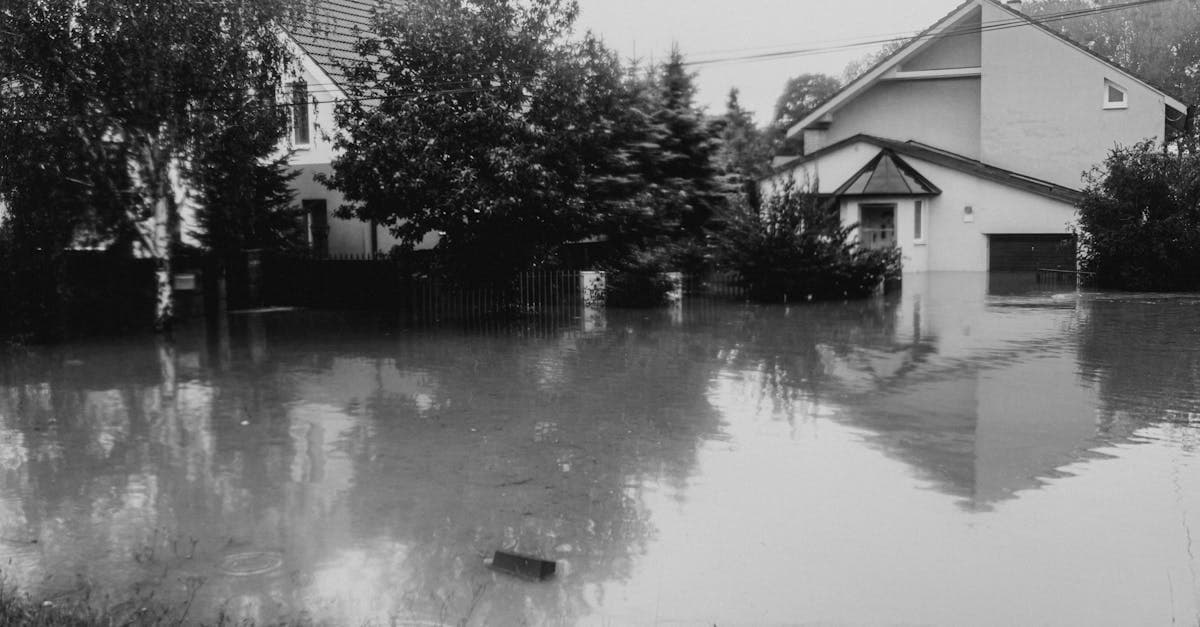
Flood Insurance After Your Neighbor Got Flooded: Is It Too Late?
Seeing nearby homes flood often motivates homeowners to consider flood insurance. NFIP policies have a 30-day waiting period, so purchasing before flood season is essential for immediate protection.

Financial Planning for Hurricane Deductibles During Active Seasons
Active hurricane seasons with multiple storms require financial preparedness beyond a single deductible payment. Creating a dedicated hurricane fund that covers two or three deductible applications provides genuine protection.

When Does the Hurricane Deductible Window Open and Close?
The hurricane deductible activation window typically begins when hurricane conditions are declared for your area and ends when the hurricane or its effects pass. The exact timeframe varies by state regulation and policy language.

Can You Buy Down Your Florida Hurricane Deductible? Understanding Buyback Options
Some Florida insurers offer hurricane deductible buyback endorsements that reduce your percentage-based deductible to a flat dollar amount for an additional premium. This option provides cost certainty after a hurricane.

How Hurricane Deductibles Evolved After Major Storms
Hurricane Andrew in 1992 catalyzed the creation of hurricane deductibles. Catastrophic losses nearly bankrupted insurers, leading to percentage-based deductibles that shifted more initial cost to homeowners.

Private Flood Insurance vs NFIP: How Wind Damage Exclusions Compare
Both NFIP and private flood policies exclude wind damage. However, some private flood policies offer broader water damage definitions that may cover some scenarios NFIP does not.

The Complete Guide to Water Damage Insurance: Flood vs Homeowners vs Sewer Backup
Three different insurance products cover three different water damage sources. Homeowners covers internal failures, flood covers external rising water, and sewer backup coverage handles drain backflows.

The Difference Between What Flood Insurance Covers and What Homeowners Insurance Covers
Flood insurance and homeowners insurance have different exclusions that create overlapping gaps. Understanding where each policy stops helps you identify the losses that neither policy will cover after a water event.

Mudflow Coverage Under Flood Insurance: When Earth and Water Combine
Flood insurance covers mudflow damage, defined as a river of liquid mud on surfaces normally dry. This coverage protects homes in areas vulnerable to mudslides triggered by heavy rainfall and saturated soil.

Flood Insurance for Florida Landlords: Responsibilities and Coverage Options
Florida landlords with properties in flood zones have both legal obligations and financial incentives to carry flood insurance. Coverage protects the building, your investment, and your liability.

Flood Insurance Requirements When Buying a Home in Florida
During the Florida home-buying process, your lender will check FEMA flood maps to determine if flood insurance is required. Understanding this process prevents closing delays and surprise costs.
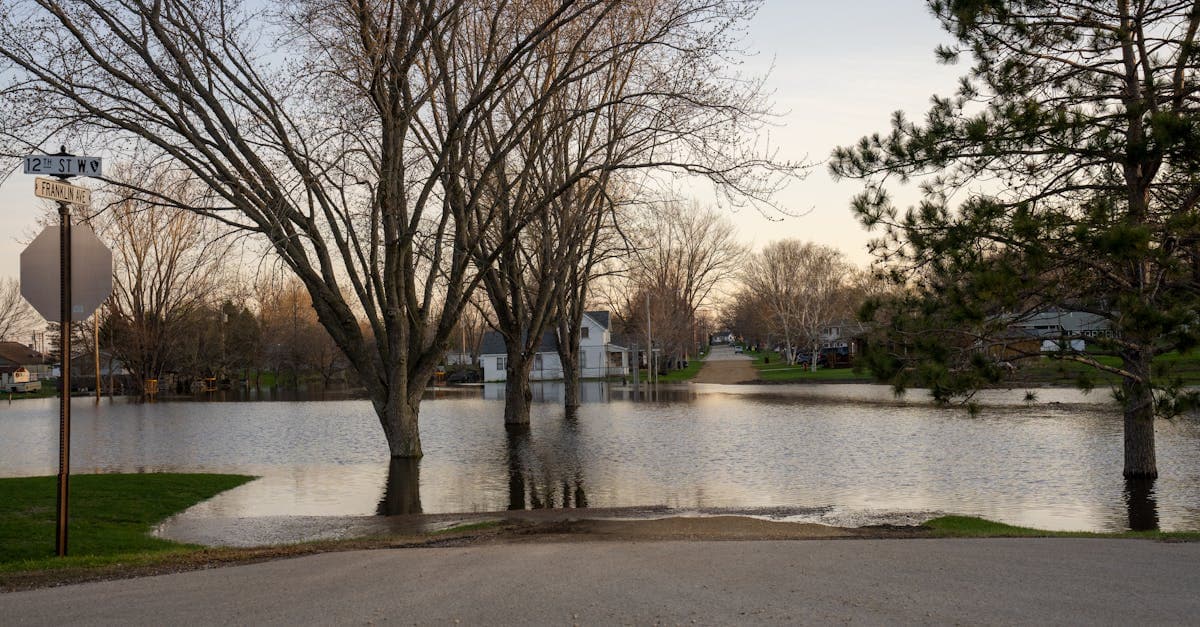
Flood Insurance and FEMA Flood Maps: How Maps Determine Your Premium
FEMA flood maps show the likelihood of flooding in your area and directly affect your flood insurance requirement and premium. Understanding your flood map designation helps you anticipate costs.
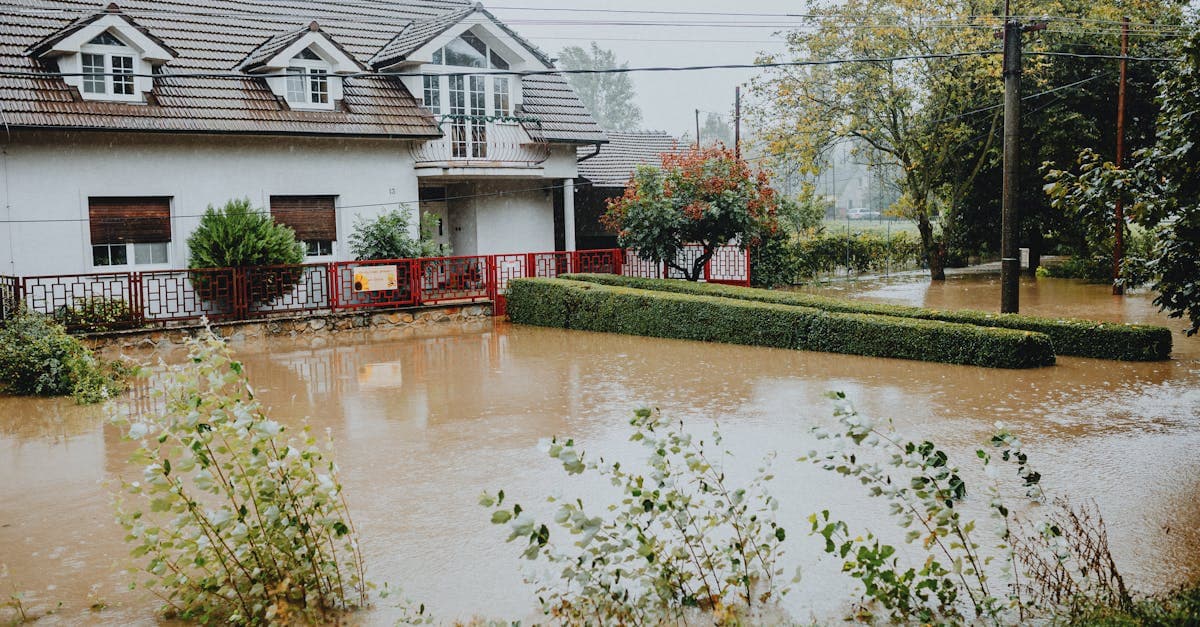
Sewer Backup vs Flood Damage: Two Different Coverages for Two Different Problems
Sewer backup coverage on your homeowners policy covers water that backs up through drains. Flood insurance covers rising external water. During heavy storms, both can happen simultaneously, requiring both coverages.

Florida Building Code Compliance: Why Ordinance or Law Coverage Matters
After significant damage, Florida building codes may require upgrades beyond simple repairs. Ordinance or law coverage pays for code-required improvements that standard coverage does not address.

Plumbing Upgrade and Its Impact on Homeowners Insurance
Replacing outdated plumbing reduces the risk of burst pipes and water damage claims. Insurers may offer premium reductions for homes with modern plumbing systems and water shut-off devices.

How to Get a Copy of Your Homeowners Insurance Declarations Page
Your declarations page is available from your insurer, agent, or online portal. Knowing how to access this document quickly is important for closings, claims, and coverage reviews.

How to Organize Insurance Documents Before Disaster Strikes
An organized document system created before a loss occurs makes filing a claim dramatically faster and more effective. Grouping documents by category and storing them in accessible locations reduces the chaos that follows any major home loss.
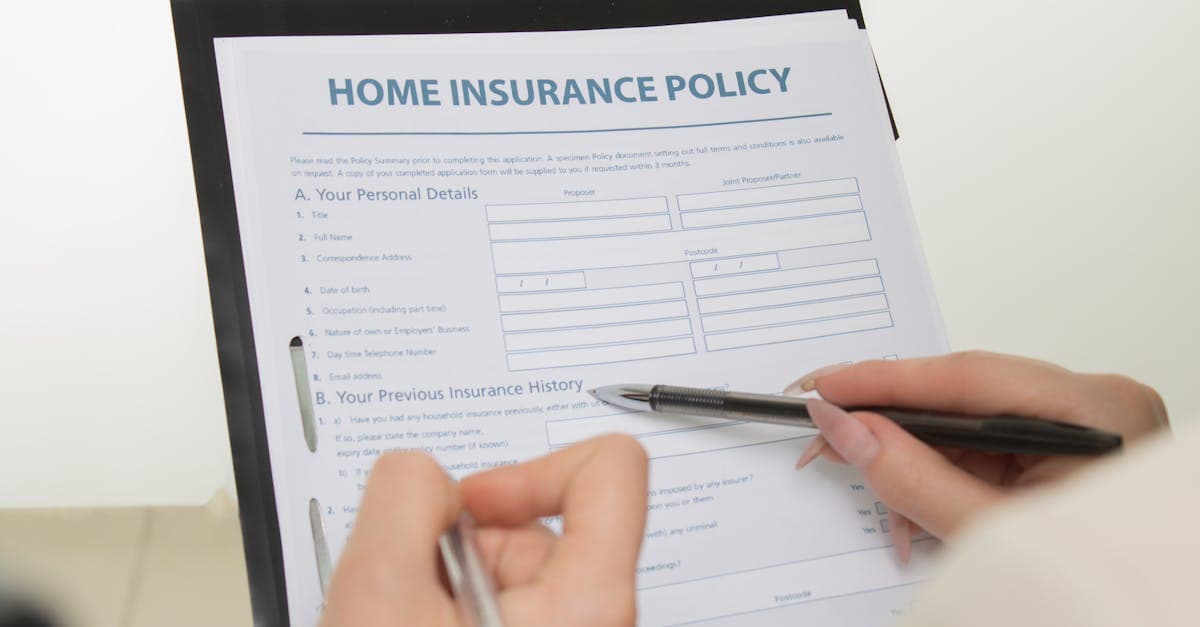
What to Do If Your Homeowners Insurance Premium Spikes Mid-Term
A mid-term premium increase due to a rate revision or reassessment may justify an immediate switch. Verify the increase is legitimate, shop for alternatives, and switch if better coverage is available at a lower cost.

Should You Switch Insurers at Renewal? A Decision Framework
Renewal is the natural time to shop for new coverage. But switching requires careful comparison of coverage terms, not just premium. This framework helps you make the right decision.

How State Regulatory Decisions Affect Your Homeowners Premium
Insurance departments approve or deny rate increase requests from insurers. When your state approves a rate filing, premiums across the state may rise — regardless of individual policyholder circumstances.

Deductible Waivers and Buyback Options on Home Insurance Policies
Some insurers offer deductible waiver endorsements that eliminate your deductible on large claims or total losses. These buyback options cost extra but reduce your out-of-pocket exposure at claim time.

Why You Should Review Your Homeowners Insurance Coverage Every Year
Renovation projects, new purchases, inflation, and changing liability risks can make last year's coverage inadequate for this year's needs. An annual coverage review ensures your policy keeps pace with your evolving household.

How State Laws Affect ACV Calculations in Homeowners Insurance
Some states regulate how insurers calculate ACV, particularly regarding labor depreciation. Your state's rules directly influence your claim payout and your rights as a policyholder.

Matching Materials in Replacement Cost Claims: When Partial Damage Creates Full Replacement
When storm damage destroys part of your roof or siding, matching the replacement materials to the undamaged sections can require replacing more than just the damaged area. Replacement cost coverage addresses this.

Personal Property Coverage for Clothing and Wardrobe After a Fire
A house fire can destroy thousands of dollars in clothing. Personal property coverage pays to replace your entire wardrobe at current retail prices under replacement cost policies.
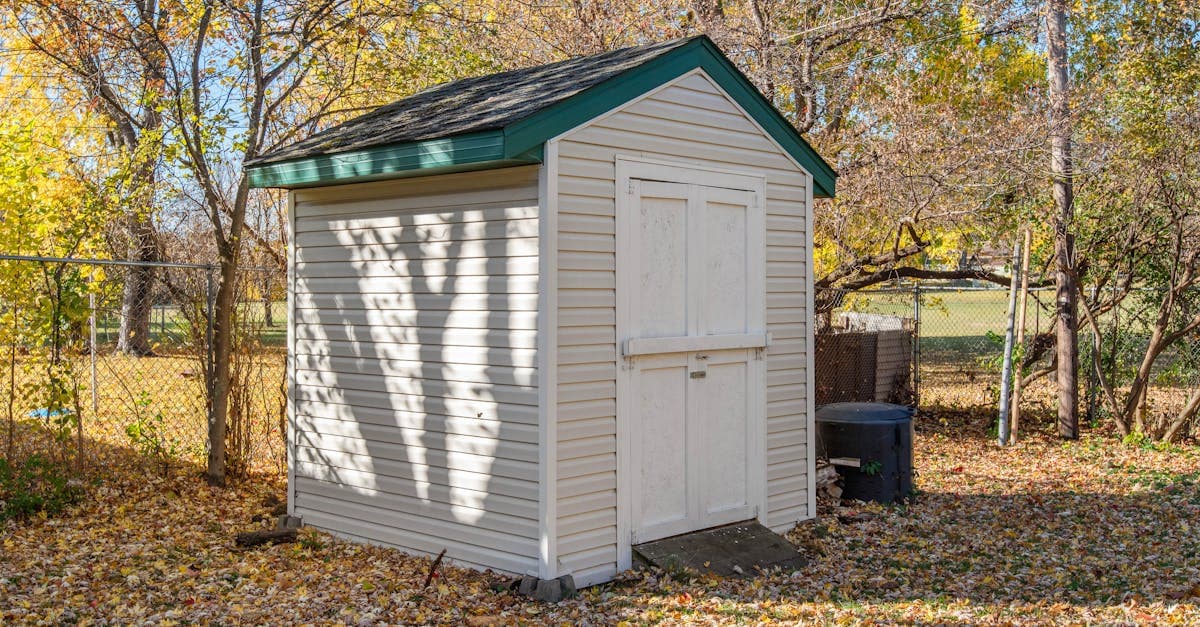
How the 10 Percent Rule Works for Other Structures Coverage
Most homeowners policies set Coverage B at 10 percent of your Coverage A dwelling limit. For a $400,000 dwelling policy, that provides $40,000 for all detached structures combined.

Dwelling Coverage for Older Homes: Special Considerations and Challenges
Older homes present unique dwelling coverage challenges including outdated materials, historical features, and building code gaps. Understanding these issues ensures adequate protection.

Hotel Stays Under Loss of Use Coverage: What Insurers Will and Will Not Pay
Insurers will pay for reasonable hotel accommodations during displacement, but they will not cover luxury suites. Understanding what constitutes reasonable accommodations prevents disputes.

Trampolines and Homeowners Liability: Coverage Risks and Solutions
Trampolines are one of the most liability-prone items on residential properties. Knowing how your homeowners policy responds helps you manage the risk.

How to File an Off-Premises Personal Property Claim
Filing a claim for property lost or stolen outside your home requires specific documentation. Following the right steps maximizes your chance of a successful payout.
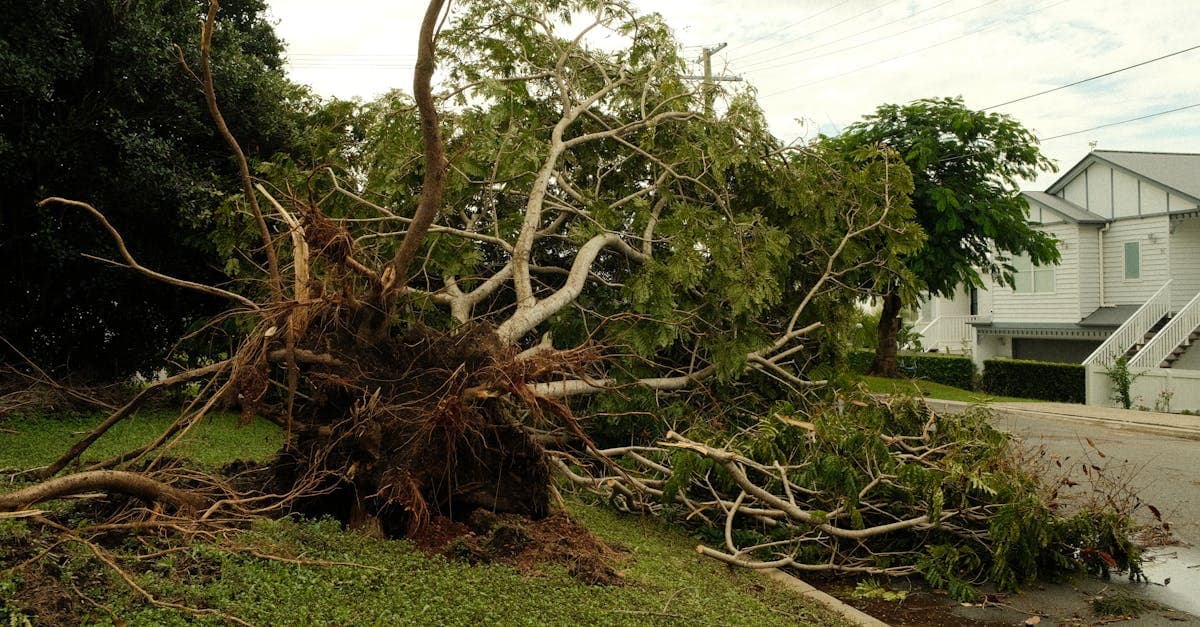
Multiple Trees Down After a Storm: How Insurance Handles It
When a major storm topples several trees on your property, each tree and each damaged structure may involve separate coverage calculations.

Storm Damage to Siding: Insurance Coverage and Claims
Wind, hail, and flying debris can destroy siding in minutes. Understanding how insurers assess siding damage helps you navigate the repair and claims process.

Polybutylene Pipes and Home Insurance: A Special Concern
Homes with polybutylene pipes may face coverage restrictions. Understanding this common pipe material and its risks helps you take proactive steps.

Mold and HVAC Systems: Coverage for Ductwork Contamination
When mold colonizes your HVAC system, remediation becomes expensive and complex. Whether insurance covers it depends on what introduced mold into the system.
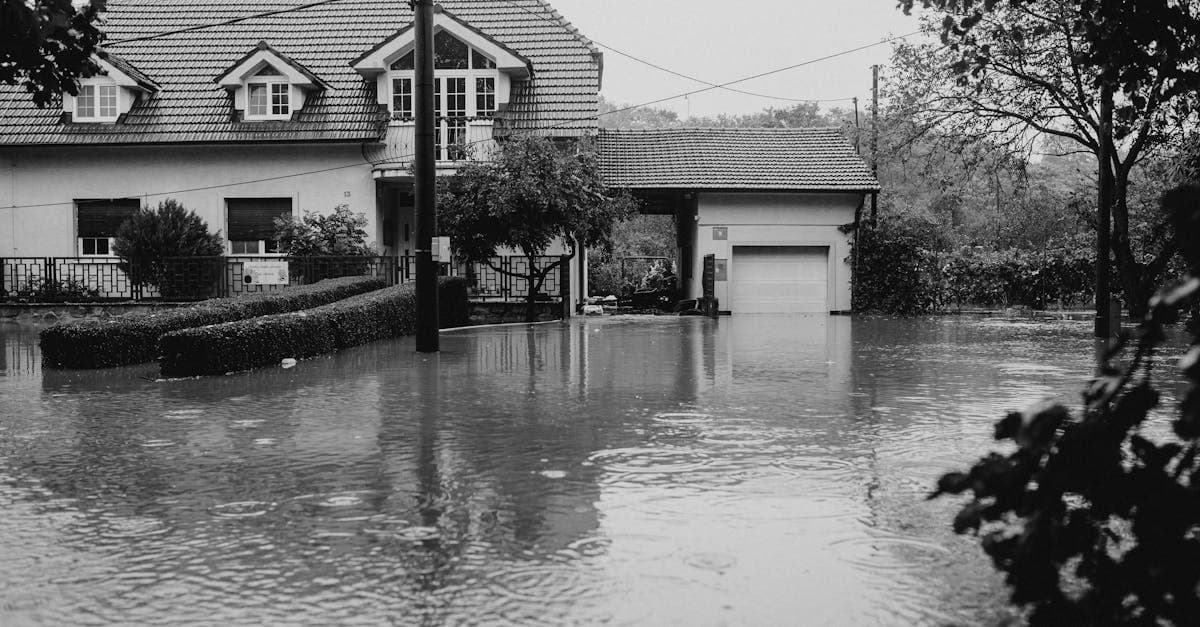
Sump Pump Failure Coverage: Protecting Your Basement
When your sump pump fails and your basement floods, standard homeowners insurance may not cover the damage. Adding sump pump failure coverage closes this dangerous gap for below-grade homes.

Replacement Cost vs Actual Cash Value for Roof Leak Repairs
How your insurer values your roof determines whether you receive enough to fully repair it. The difference between replacement cost and actual cash value can be tens of thousands of dollars.

Nuclear Hazard, War, and Government Action: The Extreme Exclusions Explained
Homeowners policies exclude damage from nuclear events, war, and government seizure. While unlikely, these exclusions reveal the outer boundaries of what insurance will and will not protect.

Earthquake Coverage and Homeowners Insurance: What Is Excluded
Standard homeowners policies exclude earthquake damage in most states. Understanding this exclusion helps homeowners in seismic zones purchase appropriate supplemental coverage.

How Moving Within Florida Affects Your Insurance and When to Review
Relocating from one Florida zip code to another can change your premium by hundreds of dollars. Reviewing coverage after every move captures savings and adjusts for local risks.

Can You Drive in Florida During an Insurance Lapse?
Driving without insurance in Florida is illegal and carries severe penalties including fines, license suspension, and loss of your right to sue for pain and suffering after an accident.

Minimum Car Insurance Cost in Florida: $800–$1,500 Average
Florida's minimum coverage averages $800–$1,500 per year. See what you actually get for the minimum, what each factor adds, and where to find the cheapest rates.

Florida PDL Coverage for Damage to Parked Vehicles
If you hit a parked car in Florida, your PDL coverage pays for the damage. Understanding this common scenario helps you handle the claim correctly.

Florida PIP and Emergency Room Visits After a Car Accident
Emergency medical conditions receive full PIP coverage up to the policy limit, while non-emergency conditions are capped at $2,500. The distinction between these categories matters enormously.

Hit-and-Run Accidents in Florida: What to Do and How to File a Claim
Hit-and-run accidents require specific steps to preserve your claim. Florida has unique rules for unidentified driver situations.

Property Damage When Someone Else Crashes Your Car: Who Pays?
Your liability coverage pays for property the borrower damages in the accident. Understanding property damage claims protects your financial position.

Does Business Use Affect Whether Insurance Follows the Car?
Using a personal vehicle for business can create coverage gaps. Your personal policy may not cover commercial use regardless of who is driving.

Gap Insurance and Vehicle Theft: Why the Combination Matters
If your stolen vehicle is worth less than your loan balance, gap insurance covers the difference. Understanding this critical pairing protects your finances.

How Windshield Claims Work for Leased Vehicles
Lease agreements may have specific glass repair requirements. Understanding your obligations helps you avoid end-of-lease charges for windshield damage.

Gap Insurance for Used Car Buyers: When It Still Makes Sense
Used cars depreciate more slowly but long loan terms and low down payments can still create a gap. Understanding when used car buyers need gap coverage helps.

Rental Reimbursement and Ride-Share Alternatives
Some policies reimburse ride-share costs like Uber and Lyft instead of traditional rentals. Understanding these alternatives expands your transportation options.

Roadside Assistance for Older Vehicles: Why It Matters More
Older vehicles are more prone to breakdowns, making roadside assistance increasingly valuable as your car ages. The coverage cost stays the same regardless of vehicle age.

When Uninsured Motorist Coverage Is Definitely Worth It
Certain situations make UM coverage an obvious choice. If any of these apply to you, carrying UM coverage is a financial no-brainer.

Can You Reject Uninsured Motorist Coverage? What Happens If You Do
Many states allow drivers to reject UM coverage in writing. Understanding the consequences helps you make an informed choice.

How Fire Damage Is Covered Under Comprehensive Insurance
Vehicle fires from mechanical failure, arson, or wildfires fall under comprehensive coverage. Knowing what to document makes the claim smoother.

How Collision Insurance Premiums Are Calculated
Multiple factors determine your collision insurance cost. Understanding these factors helps you find ways to reduce your premium without sacrificing coverage.

How to Evaluate Whether Your Current Liability Limits Are Adequate
A simple assessment of your assets, income, and risk factors reveals whether your liability limits match your actual financial exposure.

Beyond Full Coverage: Building Protection That Actually Covers Everything
True complete protection requires more than the standard full coverage package. These additions fill the gaps that traditional full coverage leaves open.

Uninsured Motorist Coverage: Your Shield Against Irresponsible Drivers
One in eight drivers is uninsured. Uninsured motorist coverage ensures that someone else's irresponsibility doesn't become your financial catastrophe.

The Financial Questions That Reveal If You're Overpaying for Insurance
Overpaying for insurance is common but preventable. These financial questions help you identify whether you're getting fair value for your premiums.

How to Review Your Auto Insurance in Under Thirty Minutes
A systematic auto insurance review covers liability limits, deductibles, coverage types, discounts, and driver information — all in a single focused session.

Age and Insurance Rates: How Getting Older Changes What You Pay
Age affects insurance pricing differently across policy types. Some rates decrease with age while others increase. Here is the full picture.

The True Cost of an Insurance Claim: Beyond the Deductible
The deductible is just the beginning. Premium increases, lost discounts, and potential non-renewal add up to the real cost of filing.
Filing a Claim vs Paying Out of Pocket: The Math
Running the numbers — deductible, net payout, premium increase, and surcharge duration — reveals whether filing or self-funding makes more sense.

How Catastrophe Claims Work After Natural Disasters
When thousands of claims flood in simultaneously, the process changes. CAT teams, emergency adjusters, and advance payments speed recovery.

Water Backup and Sewer Endorsements: Essential Protection
Sewer backup is excluded from standard homeowners policies. This affordable endorsement adds coverage for one of the most common water damage scenarios.

Endorsements That Override Exclusions: Adding Coverage Back
Many exclusions can be reversed with endorsements or riders that add coverage for an additional premium. Knowing your options fills the gaps.

Should You Choose Actual Cash Value Coverage to Save Money?
ACV coverage costs less, but the premium savings must be weighed against the reduced payout you will receive when you file a claim.
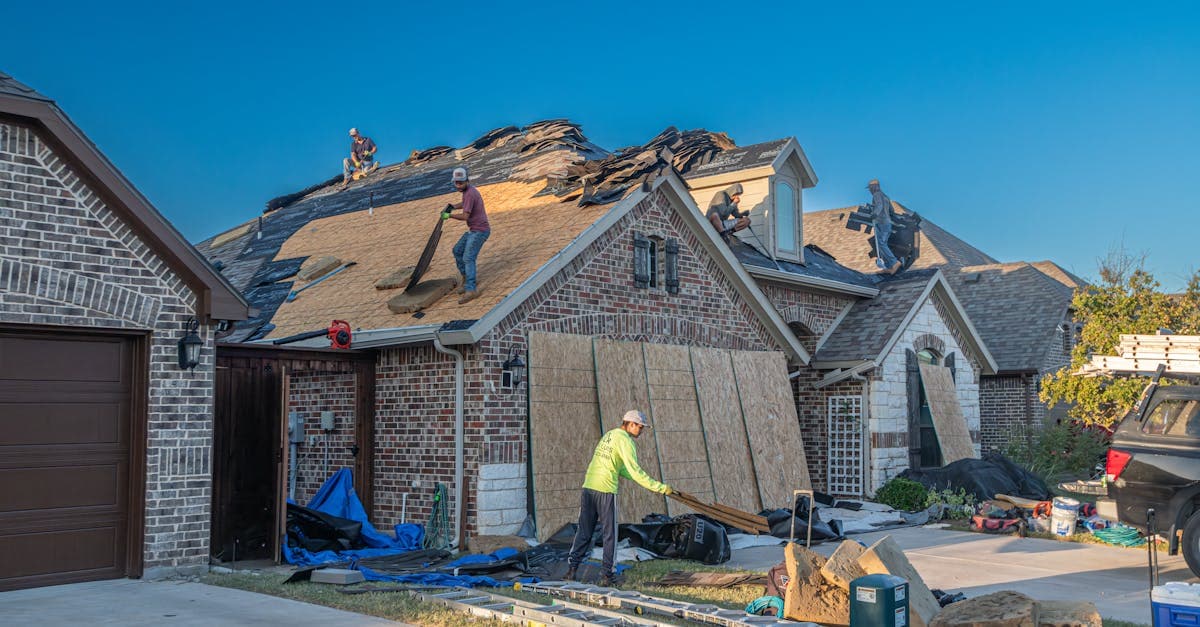
Replacement Cost for Older Homes: Special Considerations
Older homes with outdated materials and construction methods present unique replacement cost challenges that require careful coverage planning.

What Is a Percentage Deductible and When Does It Apply?
Some policies, especially homeowners in hurricane zones, use percentage-based deductibles that can cost thousands more than you expect.

The Premium Factor: What Makes Insurance Affordable or Expensive
Affordability starts with understanding premiums. Learn what makes coverage expensive and how to bring costs within reach.
Your Insurance Snapshot: Making Sense of the Declarations Page
In one or two pages, your declarations page summarizes your entire insurance contract. Here is how to make sense of every detail.

Understanding Deductibles: The Cost You Control
Unlike premiums, your deductible is a cost you choose. Learn how that choice affects your coverage, your claims, and your bottom line.

The Complete Guide to Insurance Coverage: Every Type, Every Protection
From health to home, auto to life, disability to umbrella — this is the definitive checklist of what each type of insurance covers, what it excludes, and how the pieces fit together.
