How to File an Off-Premises Personal Property Claim

In my experience helping policyholders navigate claims, off-premises personal property coverage is the most underused benefit in homeowners insurance. People simply do not know it exists, and they absorb losses that their policy would have covered.
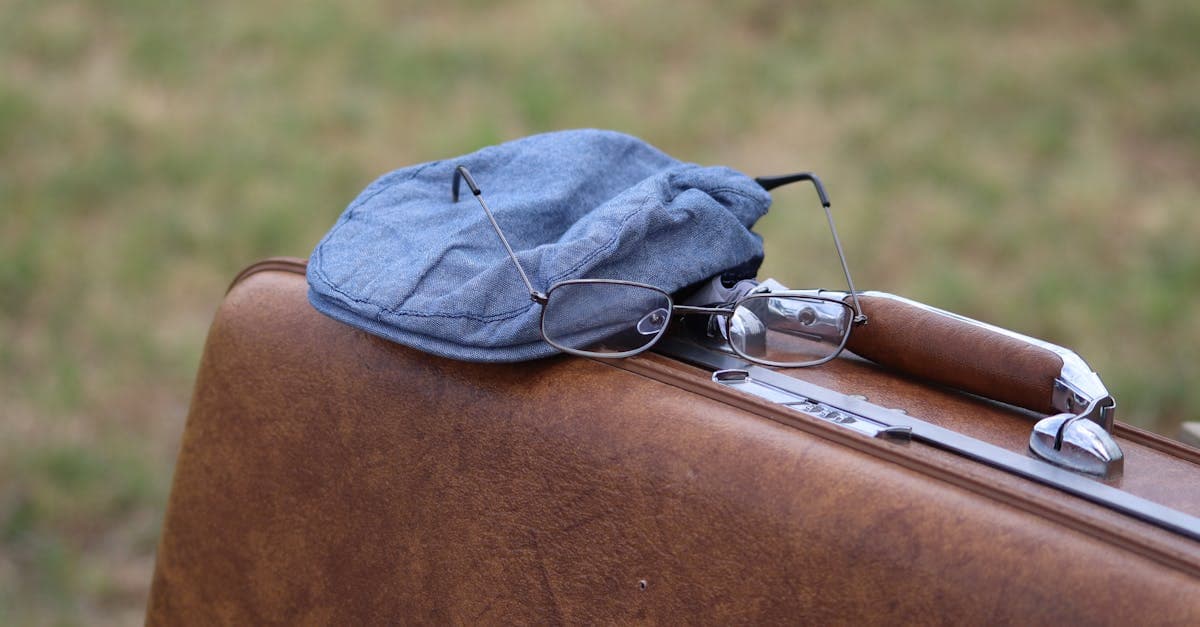
The most common conversation I have about this coverage starts after a theft. Someone's laptop is stolen from their car, a suitcase goes missing during a trip, or a bicycle is taken from a rack outside a coffee shop. They call their auto insurance first and are told personal items are not covered. They assume they have no recourse and prepare to absorb the loss out of pocket.
When I tell them their homeowners insurance likely covers the stolen items, the reaction is almost always surprise. They had no idea their policy extended beyond their home. Once they understand the coverage exists, the next questions come quickly: what is the limit, does my deductible apply, will it raise my rates, and what do I need to prove?
These are exactly the right questions, and this guide answers all of them. Off-premises personal property coverage is a genuine benefit that every homeowner pays for as part of their standard premium. Understanding how it works, what it covers, and how to file a successful claim ensures you get the full value of the protection you are already paying for.
How to Increase Your Off-Premises Coverage
The records show a different story. If the standard off-premises limit does not adequately protect your portable belongings, several options can increase your coverage. Evaluating these options against your specific needs helps you build the right level of protection.
Increase your personal property limit: Because off-premises coverage is typically a percentage of your total personal property limit, increasing the overall limit also increases off-premises coverage. Raising personal property coverage from $80,000 to $120,000, for example, increases your off-premises limit from approximately $8,000 to $12,000.
Scheduled personal property endorsement: For specific high-value items, a scheduled endorsement provides the most comprehensive protection. Scheduled items receive their own coverage amount based on an appraisal, are not subject to sublimits, and are typically covered for all risks including accidental loss and mysterious disappearance. This endorsement is ideal for jewelry, fine art, musical instruments, and high-value electronics.
Blanket personal property endorsement: Some insurers offer blanket endorsements that increase coverage for an entire category without scheduling individual items. A blanket jewelry endorsement might increase the jewelry sublimit from $1,500 to $10,000 without requiring individual appraisals. This is less comprehensive than scheduling but more convenient for multiple items.
Inland marine floater: For very high-value portable items or collections, an inland marine policy provides standalone coverage specifically designed for property that travels. Originally created for goods in transit, inland marine policies now cover all types of valuable portable property with broader terms than standard homeowners coverage.
Umbrella policies do not help: A common misconception is that umbrella insurance increases personal property coverage. It does not — umbrella policies provide additional liability protection only. If you need more off-premises property coverage, the solutions are endorsements, floaters, or increased personal property limits on your homeowners policy.
How Off-Premises Personal Property Coverage Works
Our investigation revealed something surprising. Off-premises personal property coverage is the expeditionary coverage that deploys protection beyond your home perimeter. It is a built-in feature of your homeowners policy that extends personal property protection beyond the physical boundaries of your home. Understanding the mechanics of this coverage helps you use it effectively.
The 10 percent rule: Most HO-3 homeowners policies set the off-premises coverage limit at approximately 10 percent of your total personal property coverage amount. If your personal property coverage is $80,000, roughly $8,000 is available for losses that occur away from home. Some insurers set this limit differently, so checking your specific policy language is important.
Same perils, different location: Off-premises coverage applies the same named perils that protect your belongings at home. Under a standard HO-3 policy, personal property is covered on a named-peril basis — meaning only specifically listed events like theft, fire, windstorm, vandalism, and others trigger coverage. This remains true whether the loss occurs inside your home or across the country.
Deductible applies: Your homeowners deductible applies to off-premises claims just as it does to at-home claims. A $1,000 deductible means you absorb the first $1,000 of any off-premises loss before insurance pays. This makes small off-premises losses impractical to claim, which is by design — insurance is meant for significant losses, not minor inconveniences.
Worldwide coverage: Most homeowners policies extend off-premises coverage worldwide, not just within the United States. Belongings stolen during international travel are generally covered under the same off-premises provisions as domestic losses, though documentation for international claims requires extra preparation.
Jewelry and Valuables Away From Home
The records show a different story. High-value items like jewelry, watches, and designer accessories face the same off-premises perils as other belongings but are subject to additional coverage limitations that every policyholder should understand before traveling with valuables.
Standard sublimits: Most homeowners policies impose sublimits on jewelry coverage regardless of location. A typical sublimit for jewelry theft is $1,500 to $2,500. This means even if your off-premises limit is $10,000, the maximum payout for stolen jewelry is whatever your policy's jewelry sublimit allows — often far less than the actual value of fine jewelry.
Watches and fine accessories: Expensive watches may fall under the jewelry sublimit or under a separate accessories category depending on your policy. Designer handbags, luxury sunglasses, and high-end accessories may or may not have their own sublimits. Reading your specific policy language reveals which categories apply to your valuables.
Scheduled personal property endorsements: The most effective way to protect high-value jewelry and watches outside the home is through a scheduled personal property endorsement, also called a floater. This endorsement lists specific items with appraised values and provides coverage up to those values without sublimits. Scheduled items are typically covered for all risks — including accidental loss and mysterious disappearance — not just named perils.
Appraisal requirements: Scheduling valuable items requires a current appraisal from a qualified appraiser. Insurers typically require updated appraisals every two to three years to maintain accurate coverage. The appraisal cost is modest — usually $50 to $150 per item — and ensures your coverage reflects current replacement value.
Travel precautions for valuables: Even with proper insurance, practical precautions reduce risk. Use hotel safes for jewelry not being worn. Avoid displaying expensive items in high-risk areas. Photograph valuables before travel to document their condition. And carry appraisal documentation when traveling with scheduled items to facilitate claims if needed.
Covered Perils for Off-Premises Personal Property
The records show a different story. Understanding which perils trigger off-premises coverage is essential for knowing when you have a valid claim. Under a standard HO-3 policy, personal property — both at home and away — is covered on a named-peril basis, meaning only specific listed events qualify.
Theft: Theft is the most common off-premises peril and covers belongings stolen from your car, hotel room, workplace, storage unit, or any other location. Burglary, larceny, and robbery are all covered. You will typically need a police report to support a theft claim, especially for away-from-home losses.
Fire and lightning: If a fire at a hotel, office building, or other location destroys your personal belongings, your homeowners policy covers the loss under off-premises provisions. Lightning strikes that damage electronics or other items away from home are similarly covered.
Windstorm and hail: Belongings damaged by severe weather outside your home are covered. Camping gear destroyed by a windstorm or outdoor equipment damaged by hail qualifies for off-premises claims.
Vandalism: Intentional damage to your belongings by others is covered away from home, just as it is at home. If someone deliberately damages your bicycle locked outside a store or keys your belongings at an event, the vandalism peril applies.
Explosion, riot, and civil commotion: Less common but still relevant, these perils protect belongings damaged during extraordinary events away from home. Riots, explosions from gas leaks or industrial accidents, and civil unrest that damages your property trigger coverage regardless of location.
Filing an Off-Premises Personal Property Claim
Our investigation revealed something surprising. The claims process for off-premises losses follows the same general framework as at-home claims but requires additional attention to documentation because you are proving a loss that occurred outside your controlled environment.
Step one — secure the scene and document: If you discover theft or damage, take photographs immediately. Capture the scene, any evidence of forced entry, and the condition of the area. If items were stolen from a vehicle, photograph the broken window or jimmied lock. If belongings were damaged at a hotel, photograph the room and the damaged items.
Step two — file a police report: For theft claims, a police report is almost always required. File the report as soon as possible at the local jurisdiction where the theft occurred. Obtain a copy of the report or at minimum the report number, as your insurer will request this documentation. For international thefts, file reports with local police and notify the nearest embassy or consulate.
Step three — contact your homeowners insurer: Report the loss to your homeowners insurance company — not your auto insurer if items were stolen from a car. Provide the police report number, your documentation of the loss, and a list of stolen or damaged items with estimated values.
Step four — prove ownership and value: This is often the most challenging part of off-premises claims. Receipts, credit card statements, photographs showing you with the items, serial number records, and warranty registration documents all help prove you owned the items and establish their value. The more documentation you provide, the stronger your claim.
Step five — understand payout calculations: Your insurer will apply your deductible, any applicable sublimits, and the off-premises coverage limit to calculate your payout. If your policy provides replacement cost coverage, you may receive the depreciated value initially and the remainder after you replace the items. Actual cash value policies pay only the depreciated amount.
Common Off-Premises Coverage Mistakes
The records show a different story. Policyholders make predictable mistakes with off-premises personal property coverage that cost them money through unclaimed losses, redundant coverage purchases, and claim complications. Recognizing these mistakes helps you avoid them.
Mistake one — not knowing the coverage exists: The most expensive mistake is simply not knowing your homeowners policy covers belongings outside the home. This leads to absorbed losses that insurance would have covered. Every homeowner should understand their off-premises coverage as a basic part of policy literacy.
Mistake two — filing claims with the wrong insurer: Items stolen from a car should be claimed under homeowners insurance, not auto insurance. Filing with the wrong company wastes time and may result in a denial that discourages the policyholder from pursuing the valid claim with the correct insurer.
Mistake three — buying redundant coverage: Device protection plans, travel property insurance, and storage unit insurance may duplicate off-premises coverage you already have. Before purchasing any supplemental property coverage, compare it to your existing homeowners benefit to avoid paying twice for the same protection.
Mistake four — inadequate documentation: Filing an off-premises claim without proof of ownership or value leads to reduced payouts or denials. The documentation burden for off-premises claims is higher because the insurer cannot send an adjuster to your home to verify what you owned. Prepare documentation before a loss occurs.
Mistake five — ignoring sublimits: Assuming the full off-premises limit applies to every category of property leads to payout surprises. A $10,000 off-premises limit does not mean $10,000 for stolen jewelry if the jewelry sublimit is $1,500. Review your sublimits and address any gaps with endorsements before a loss forces you to discover them the hard way.
Coverage for Items in Storage Units
Our investigation revealed something surprising. Millions of Americans rent storage units to hold belongings that do not fit in their homes. Whether you are storing seasonal items, furniture during a renovation, or belongings during a transition, your homeowners insurance extends coverage to these items under off-premises provisions.
How storage unit coverage works: Items in a rented storage facility are considered personal property away from home. Your homeowners policy covers them against named perils — including theft, fire, vandalism, and windstorm — up to your off-premises limit. This coverage applies automatically without notifying your insurer that you have rented a unit.
Limitations to understand: The off-premises limit applies to everything away from home collectively, not per location. Items in a storage unit, belongings at your office, and property your child has at college all share the same off-premises coverage pool. Storing high-value items in a unit reduces the coverage available for other off-premises losses.
Perils not covered: Flooding is not a named peril under standard homeowners policies, and storage units in flood-prone areas present real risk. Water damage from sprinkler systems, pipe bursts in the facility, and humidity damage are generally not covered unless they result from a named peril. Rodent damage and mold are also typically excluded.
Storage facility insurance: Most storage facilities offer their own insurance plans, often ranging from $10 to $30 per month. Before purchasing this coverage, compare it to your existing off-premises protection. If your homeowners policy already provides sufficient coverage for the stored items, the facility insurance is unnecessary and duplicative.
High-value storage situations: If you are storing items whose total value exceeds your off-premises limit, consider increasing your personal property coverage or purchasing a scheduled personal property endorsement for specific high-value items. The cost of additional coverage is typically modest compared to the risk of an underinsured loss.
How to Increase Your Off-Premises Coverage
The records show a different story. If the standard off-premises limit does not adequately protect your portable belongings, several options can increase your coverage. Evaluating these options against your specific needs helps you build the right level of protection.
Increase your personal property limit: Because off-premises coverage is typically a percentage of your total personal property limit, increasing the overall limit also increases off-premises coverage. Raising personal property coverage from $80,000 to $120,000, for example, increases your off-premises limit from approximately $8,000 to $12,000.
Scheduled personal property endorsement: For specific high-value items, a scheduled endorsement provides the most comprehensive protection. Scheduled items receive their own coverage amount based on an appraisal, are not subject to sublimits, and are typically covered for all risks including accidental loss and mysterious disappearance. This endorsement is ideal for jewelry, fine art, musical instruments, and high-value electronics.
Blanket personal property endorsement: Some insurers offer blanket endorsements that increase coverage for an entire category without scheduling individual items. A blanket jewelry endorsement might increase the jewelry sublimit from $1,500 to $10,000 without requiring individual appraisals. This is less comprehensive than scheduling but more convenient for multiple items.
Inland marine floater: For very high-value portable items or collections, an inland marine policy provides standalone coverage specifically designed for property that travels. Originally created for goods in transit, inland marine policies now cover all types of valuable portable property with broader terms than standard homeowners coverage.
Umbrella policies do not help: A common misconception is that umbrella insurance increases personal property coverage. It does not — umbrella policies provide additional liability protection only. If you need more off-premises property coverage, the solutions are endorsements, floaters, or increased personal property limits on your homeowners policy.
Quick Takeaways on Off-Premises Personal Property Coverage
If you remember nothing else from this guide, remember these five points:
One: Your homeowners insurance covers personal property outside your home, typically up to 10 percent of your personal property coverage limit. This is a standard feature, not an add-on.
Two: Items stolen from your car are covered by homeowners insurance, not auto insurance. This is one of the most commonly misunderstood aspects of personal property coverage.
Three: Sublimits on categories like jewelry, electronics, and cash may cap your payout below the overall off-premises limit. Know your sublimits before you need them.
Four: Documentation is everything for off-premises claims. Photographs, serial numbers, receipts, and a portable property inventory make the difference between successful and denied claims.
Five: Before buying device protection plans, travel insurance, or storage unit insurance, compare the coverage to what your homeowners policy already provides. You may already be covered.
These principles help you get maximum value from off-premises coverage that you are already paying for.
Continue reading

Independent Agents vs Direct Carriers: How Quote Sources Affect Comparison
Where you get your quotes affects what you see. Independent agents compare multiple carriers while direct carriers show only their own products. Understanding this distinction shapes your comparison strategy.
Policy Checkup for Life Insurance: Does Your Coverage Still Match Your Needs?
Life insurance needs change as children grow, mortgages are paid down, and retirement savings accumulate. A checkup ensures your death benefit still provides the protection your family needs.
Assignment of Benefits and Insurance Litigation: How Lawsuits Escalate
When a contractor with your AOB disputes the insurer's payment, they can sue your insurer in your name. This litigation drives up costs and can affect your claims history.