Minimum Car Insurance Cost in Florida: $800–$1,500 Average

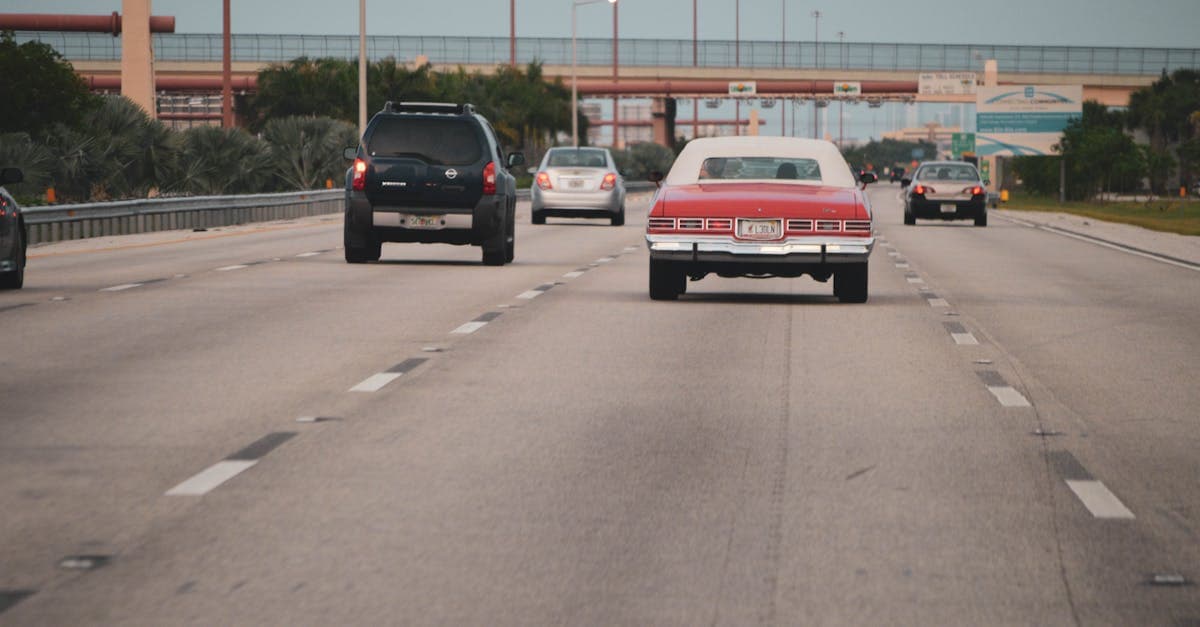
In my experience working with Florida drivers, the conversation about minimum insurance almost always starts the same way: someone wants to know the cheapest legal coverage they can carry. That is an understandable question in a state with some of the highest insurance premiums in the nation. But the answer requires context that too many drivers never receive.
Yes, Florida's minimum is just PIP and property damage liability at $10,000 each. Yes, that is technically enough to register your vehicle and drive legally. But I have worked with too many drivers who carried only minimums and then caused an accident that changed their financial lives forever. A young driver who rear-ended a family at a stoplight. A retiree who ran a stop sign and sent a cyclist to the hospital. In each case, the minimum coverage was exhausted instantly, and the driver's personal assets were on the line.
The hardest conversations happen after the accident, when a driver discovers that the $10,000 PIP limit barely covered the emergency room visit, that they have no bodily injury coverage to protect their savings account, and that the injured party's attorney is already preparing a lawsuit.
These experiences have shaped my perspective on Florida minimum insurance. I believe every driver deserves to understand not just what the state requires, but what happens when those minimums are all you have during a real accident. This guide provides that complete picture, combining the legal requirements with the practical realities of driving in Florida.
Florida SR-22 Requirements: What Triggers Them and How They Work
The records show a different story. An SR-22 filing is Florida's mechanism for ensuring that drivers who have demonstrated high risk maintain adequate insurance coverage. Understanding when an SR-22 is required and how it works helps you navigate this requirement if it ever applies to you.
What an SR-22 is: An SR-22 is not a type of insurance — it is a certificate your insurer files with the state proving you carry the required minimum coverage. In Florida, an SR-22 certifies that you carry bodily injury liability of at least 10/20 ($10,000 per person, $20,000 per accident) plus the standard PIP and PDL minimums.
Common triggers for SR-22 in Florida: DUI or DWI convictions, at-fault accidents involving bodily injury while uninsured, driving with a suspended or revoked license, accumulating too many points on your driving record, and failure to maintain required insurance coverage after a triggering event.
Duration of the requirement: Florida typically requires SR-22 filing for three years from the date of license reinstatement. During this period, your insurer continuously certifies your coverage. If your policy lapses or is cancelled for any reason, the insurer files an SR-26 notification with the state, and your license is suspended again.
Cost impact: The SR-22 filing itself costs $15 to $25, but the real cost is the dramatic increase in insurance premiums. Drivers with SR-22 requirements typically pay 50 to 200 percent more for auto insurance because the underlying violation — DUI, uninsured accident, license suspension — places them in the highest risk category. These elevated premiums persist for the full three-year filing period and often beyond.
Finding SR-22 coverage: Not all Florida insurers offer SR-22 filings. If your current insurer does not, you may need to switch to a carrier that specializes in high-risk drivers. Shopping multiple carriers is essential because premium differences for SR-22 policies can be enormous. The Florida Automobile Joint Underwriting Association provides coverage of last resort for drivers who cannot find insurance in the voluntary market.
Florida's Electronic Insurance Verification System
Our investigation revealed something surprising. Florida uses technology to monitor insurance compliance across all registered vehicles. Understanding how this system works helps you avoid false suspensions and respond appropriately to compliance notices.
How the system works: The Florida Financial Responsibility Verification System electronically cross-references vehicle registration records with insurance company databases. When a vehicle is registered in Florida, the system periodically checks whether active insurance exists for that vehicle. If no matching insurance record is found, the system flags the vehicle for a compliance check.
False positive notices: The system occasionally generates false positive notifications when insurance records do not immediately synchronize. This can happen when you switch insurers, when policy numbers change during renewal, or when there is a data entry error. If you receive a compliance notice and your insurance is active, respond promptly with proof of coverage to prevent an unnecessary suspension.
Response timeline: When you receive a compliance notice, you typically have 30 days to provide proof of insurance. Respond within this window even if you believe the notice is a mistake. Failure to respond triggers an automatic registration suspension regardless of whether you actually have insurance. Keep copies of all correspondence and proof submissions.
How insurers report to the system: Florida insurers are required to report policy activations, cancellations, and lapses to the state's electronic system. When you purchase a new policy or switch carriers, the new insurer reports your coverage, and the system updates your compliance status. Delays in this reporting can trigger false compliance alerts.
Preventing problems: When switching insurers, ensure there is no gap in coverage — even a single day without active insurance can trigger the verification system. Ask your new insurer to confirm that your policy has been reported to Florida's database. Keep your declarations page accessible on your phone so you can provide proof of coverage during traffic stops or in response to compliance notices.
How Florida's No-Fault Insurance System Works
Our investigation revealed something surprising. Florida's no-fault system fundamentally changes how auto accident claims work compared to traditional tort states. Understanding this system is fortifying well beyond the minimum perimeter to defend against Florida's full spectrum of driving threats because it affects every aspect of your coverage decisions and claim experience.
The no-fault concept: In a no-fault state, each driver's own insurance pays their medical expenses regardless of who caused the accident. If another driver runs a red light and hits you, your PIP coverage pays your medical bills — not the at-fault driver's insurance. This eliminates the need to determine fault before receiving medical payment, which speeds up the claims process.
How fault still matters: Despite being a no-fault state, fault is not irrelevant in Florida. The at-fault driver's property damage liability pays for vehicle damage. And when injuries exceed the serious injury threshold — significant and permanent loss of an important bodily function, permanent injury, significant and permanent scarring or disfigurement, or death — the injured party can step outside the no-fault system and sue the at-fault driver.
PIP as the foundation: The no-fault system works because PIP provides immediate medical coverage. Your PIP pays 80 percent of your medical bills up to $10,000 without waiting for fault determination, insurance negotiations, or litigation. This speed of payment is the primary advantage of the no-fault approach.
Limitations of no-fault: The system's weaknesses become apparent with serious injuries. A $10,000 PIP limit is exhausted quickly when injuries require surgery, extended hospitalization, or ongoing therapy. Once PIP is exhausted, the injured driver must rely on health insurance, bodily injury claims against the at-fault driver, or personal savings to cover remaining medical costs.
The litigation threshold: Florida's tort threshold allows lawsuits only for serious injuries as defined by statute. This means drivers with moderate injuries — painful but not permanent — may be unable to sue the at-fault driver even when PIP is exhausted. This gap in the system leaves some accident victims with medical bills and no clear path to full recovery.
The 14-Day Rule That Catches Florida Drivers Off Guard
The records show a different story. Florida law imposes a strict deadline on PIP benefits that many drivers discover too late. If you do not seek medical treatment within 14 days of a car accident, your PIP benefits are drastically reduced. This rule has significant financial consequences that every Florida driver must understand.
The rule explained: Under Florida Statute 627.736, a PIP policyholder must receive initial medical treatment within 14 days of the accident date. If you fail to see a medical provider within this window, your maximum PIP benefit drops from $10,000 to $2,500 — a 75 percent reduction in available coverage.
Emergency medical condition distinction: If a medical provider determines that your injuries constitute an emergency medical condition, you retain the full $10,000 benefit. If the provider determines your injuries are not emergent — soft tissue injuries, minor pain, delayed-onset symptoms — you receive only $2,500 regardless of how severe the injuries become later.
Why the rule matters financially: Many accident injuries do not manifest immediately. Whiplash, concussion symptoms, and back injuries may take days or weeks to become apparent. Drivers who wait to see whether pain resolves on its own risk blowing past the 14-day window and losing $7,500 in benefits they paid premiums to maintain.
Practical protection steps: After any Florida car accident, see a medical provider within 14 days even if you feel fine. Document the visit and ensure your provider notes the accident as the cause. This preserves your full PIP benefits and creates a medical record that supports your claim if symptoms develop later.
The documentation requirement: Keep all records of your initial medical visit including the date, provider name, diagnosis, and treatment plan. Your insurer will verify the timeline when processing the PIP claim, and any gap beyond 14 days triggers the reduced benefit automatically.
Florida's Uninsured Motorist Problem and Your Risk
Our investigation revealed something surprising. Florida has one of the highest uninsured motorist rates in the United States, and this reality represents the flanking maneuvers that overwhelm drivers whose defenses stop at Florida's minimum line. Understanding the scope of this problem and how to protect yourself is essential for every Florida driver.
The scope of the problem: Industry estimates place Florida's uninsured motorist rate at approximately 20 percent — meaning roughly one in five vehicles on Florida roads has no insurance at all. In some urban areas, the rate may be even higher. Combined with drivers who carry only minimums (no bodily injury liability), the percentage of vehicles with inadequate coverage climbs higher still.
Why so many Florida drivers are uninsured: Florida's high insurance premiums are the primary driver. When minimum coverage costs $1,500 or more annually, some drivers choose to drive illegally rather than pay premiums they cannot afford. The no-fault system, which limits lawsuit exposure for minor injuries, may also reduce the perceived risk of driving uninsured.
What happens when an uninsured driver hits you: If an uninsured driver causes an accident and you are injured, your PIP covers 80 percent of your medical bills up to $10,000. Beyond that, you have no insurance to claim against because the at-fault driver has none. You can sue the uninsured driver, but collecting from someone without insurance often means collecting from someone without assets.
Uninsured motorist coverage as your solution: UM coverage pays your damages when the at-fault driver has no insurance or insufficient insurance. In Florida, UM coverage is optional but strongly recommended. It covers your medical expenses, lost wages, and pain and suffering beyond what PIP provides — essentially filling the role that the other driver's bodily injury liability should have filled.
Stacking for maximum protection: Florida allows stacking UM coverage across multiple vehicles on the same policy. If you carry $100,000 in UM coverage on two vehicles, stacking doubles your effective UM limit to $200,000. This option provides significant additional protection at a modest additional premium.
Florida Motorcycle Insurance: Surprisingly Different Rules
The records show a different story. Florida's motorcycle insurance requirements differ dramatically from its car insurance requirements — and not in the direction most people expect. Understanding these differences is essential for any Florida rider.
No mandatory motorcycle insurance: Florida does not require motorcycle riders to carry any insurance at all, provided they have at least $10,000 in medical benefits coverage available through health insurance or another source. This makes Florida one of the most permissive states for motorcycle insurance requirements.
The medical benefits exception: If a motorcycle rider can demonstrate $10,000 in medical benefits coverage — through health insurance, PIP from another policy, or other sources — they can legally ride without any motorcycle-specific insurance. However, this leaves them with zero liability protection if they cause an accident that injures someone else or damages property.
Why riding without insurance is risky: Motorcyclists face elevated accident risks due to the inherent vulnerability of motorcycle travel. A rider who causes an accident without liability insurance faces personal liability for all injuries and property damage. Given that motorcycle accidents often produce serious injuries, the financial exposure can be catastrophic.
Recommended coverage for Florida riders: Despite the lack of requirements, insurance professionals recommend Florida motorcyclists carry bodily injury liability, property damage liability, uninsured motorist coverage, and comprehensive and collision if the motorcycle has significant value. The uninsured motorist coverage is particularly important given Florida's high rate of uninsured drivers.
Passenger considerations: Carrying a passenger on a motorcycle in Florida without insurance increases the rider's potential liability. If an accident injures the passenger, the rider may be personally responsible for the passenger's medical expenses, lost wages, and pain and suffering. Having adequate bodily injury liability coverage protects both the rider and their passengers.
The 14-Day Rule That Catches Florida Drivers Off Guard
The records show a different story. Florida law imposes a strict deadline on PIP benefits that many drivers discover too late. If you do not seek medical treatment within 14 days of a car accident, your PIP benefits are drastically reduced. This rule has significant financial consequences that every Florida driver must understand.
The rule explained: Under Florida Statute 627.736, a PIP policyholder must receive initial medical treatment within 14 days of the accident date. If you fail to see a medical provider within this window, your maximum PIP benefit drops from $10,000 to $2,500 — a 75 percent reduction in available coverage.
Emergency medical condition distinction: If a medical provider determines that your injuries constitute an emergency medical condition, you retain the full $10,000 benefit. If the provider determines your injuries are not emergent — soft tissue injuries, minor pain, delayed-onset symptoms — you receive only $2,500 regardless of how severe the injuries become later.
Why the rule matters financially: Many accident injuries do not manifest immediately. Whiplash, concussion symptoms, and back injuries may take days or weeks to become apparent. Drivers who wait to see whether pain resolves on its own risk blowing past the 14-day window and losing $7,500 in benefits they paid premiums to maintain.
Practical protection steps: After any Florida car accident, see a medical provider within 14 days even if you feel fine. Document the visit and ensure your provider notes the accident as the cause. This preserves your full PIP benefits and creates a medical record that supports your claim if symptoms develop later.
The documentation requirement: Keep all records of your initial medical visit including the date, provider name, diagnosis, and treatment plan. Your insurer will verify the timeline when processing the PIP claim, and any gap beyond 14 days triggers the reduced benefit automatically.
Florida's Uninsured Motorist Problem and Your Risk
Our investigation revealed something surprising. Florida has one of the highest uninsured motorist rates in the United States, and this reality represents the flanking maneuvers that overwhelm drivers whose defenses stop at Florida's minimum line. Understanding the scope of this problem and how to protect yourself is essential for every Florida driver.
The scope of the problem: Industry estimates place Florida's uninsured motorist rate at approximately 20 percent — meaning roughly one in five vehicles on Florida roads has no insurance at all. In some urban areas, the rate may be even higher. Combined with drivers who carry only minimums (no bodily injury liability), the percentage of vehicles with inadequate coverage climbs higher still.
Why so many Florida drivers are uninsured: Florida's high insurance premiums are the primary driver. When minimum coverage costs $1,500 or more annually, some drivers choose to drive illegally rather than pay premiums they cannot afford. The no-fault system, which limits lawsuit exposure for minor injuries, may also reduce the perceived risk of driving uninsured.
What happens when an uninsured driver hits you: If an uninsured driver causes an accident and you are injured, your PIP covers 80 percent of your medical bills up to $10,000. Beyond that, you have no insurance to claim against because the at-fault driver has none. You can sue the uninsured driver, but collecting from someone without insurance often means collecting from someone without assets.
Uninsured motorist coverage as your solution: UM coverage pays your damages when the at-fault driver has no insurance or insufficient insurance. In Florida, UM coverage is optional but strongly recommended. It covers your medical expenses, lost wages, and pain and suffering beyond what PIP provides — essentially filling the role that the other driver's bodily injury liability should have filled.
Stacking for maximum protection: Florida allows stacking UM coverage across multiple vehicles on the same policy. If you carry $100,000 in UM coverage on two vehicles, stacking doubles your effective UM limit to $200,000. This option provides significant additional protection at a modest additional premium.
Quick Takeaways on Florida Minimum Car Insurance
If you remember nothing else from this guide, remember these five points:
One: Florida requires only PIP ($10,000) and property damage liability ($10,000). There is no mandatory bodily injury liability, making Florida one of the least-protected states for accident victims and at-fault drivers alike.
Two: The 14-day PIP rule is critical — seek medical treatment within 14 days of any accident or your PIP benefits drop from $10,000 to $2,500. Do not wait to see if symptoms resolve on their own.
Three: Florida does not require bodily injury liability, but every insurance professional recommends it. Without BIL, you are personally liable for every dollar of injury claims against you. Carry at least 50/100 and preferably 100/300.
Four: Florida has one of the highest uninsured driver rates in the nation. Uninsured motorist coverage protects you when the at-fault driver has nothing. Consider stacking for maximum protection.
Five: The financial responsibility law requires bodily injury liability after an at-fault injury accident or DUI — meaning the state recognizes the need for this coverage but only mandates it after you have proven why you needed it.
These five points cover the most important aspects of Florida minimum insurance. Understanding them puts you ahead of the majority of Florida drivers.
Continue reading

Independent Agents vs Direct Carriers: How Quote Sources Affect Comparison
Where you get your quotes affects what you see. Independent agents compare multiple carriers while direct carriers show only their own products. Understanding this distinction shapes your comparison strategy.
Policy Checkup for Life Insurance: Does Your Coverage Still Match Your Needs?
Life insurance needs change as children grow, mortgages are paid down, and retirement savings accumulate. A checkup ensures your death benefit still provides the protection your family needs.

Assignment of Benefits and Insurance Litigation: How Lawsuits Escalate
When a contractor with your AOB disputes the insurer's payment, they can sue your insurer in your name. This litigation drives up costs and can affect your claims history.