Sewer Backup vs Flood Damage: Two Different Coverages for Two Different Problems

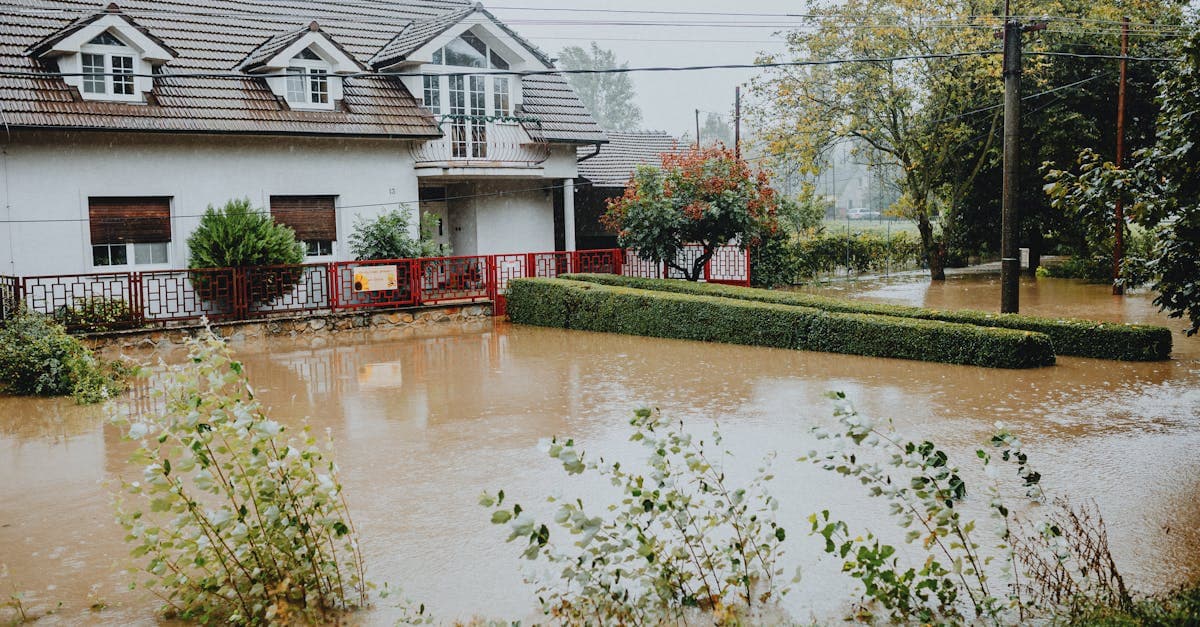
In my years working with homeowners after flood events, the conversation I dread most is explaining to a family that their homeowners insurance will not pay for any of the flood damage in their home. They are standing in a ruined living room, insurance card in hand, expecting help — and the answer is no.
The flood exclusion in homeowners insurance is not a technicality or a loophole. It is a fundamental feature of the policy that has existed for over half a century. Insurers determined in the 1960s that flood risk was too concentrated and catastrophic to include in standard homeowners coverage. The federal government created the National Flood Insurance Program in 1968 to fill the gap. But decades later, most homeowners still do not know the gap exists.
The families I work with who recover fastest are always the ones who had separate flood insurance. They file a claim, the adjuster assesses the damage, and a payment follows. The process is not always smooth, but the financial path to recovery is clear. The families without flood insurance face a completely different reality — one of depleted savings, home equity loans, deferred repairs, and years of financial strain.
What frustrates me most is how preventable these situations are. Flood insurance is available, affordable relative to the risk, and designed specifically for the exposure that homeowners insurance refuses to cover. The only thing standing between most homeowners and proper flood protection is awareness of the exclusion and knowledge of the alternatives.
Federal Disaster Assistance Is Not Flood Insurance: The Costly Misconception
The records show a different story. One of the most dangerous assumptions homeowners make is that the federal government will cover their flood damage if they do not have flood insurance. The reality of federal disaster assistance is far less generous than most people imagine.
Disaster declaration required: Federal disaster assistance is only available when the president declares a major disaster. Not every flood event triggers a declaration. Localized flooding that damages your home but does not meet the declaration threshold means no federal assistance is available at all.
FEMA grants are modest: FEMA Individual Assistance grants for housing repairs average approximately $5,000. The maximum individual grant is capped by law and is far below the average flood damage cost of $25,000 to $50,000. These grants are intended to make homes habitable, not to restore them fully.
SBA loans must be repaid: The Small Business Administration offers low-interest disaster loans to homeowners for home repair and personal property replacement. These are loans, not grants — they must be repaid with interest over terms up to 30 years. Homeowners who cannot qualify for SBA loans face even fewer options.
The timing problem: Federal disaster assistance takes time to deploy. Application processing, inspection scheduling, and fund distribution often take weeks or months. Homeowners need immediate funds for emergency repairs, temporary housing, and essential living expenses that disaster assistance may not cover quickly enough.
The comparison with flood insurance: An NFIP policy provides up to $250,000 in building coverage and $100,000 in contents coverage. FEMA grants average $5,000. SBA loans must be repaid. The financial recovery path with flood insurance is dramatically better than the path through federal disaster assistance.
The bottom line: Federal disaster assistance is a safety net of last resort, not a substitute for flood insurance. Homeowners who rely on government assistance instead of insurance face longer recovery times, higher personal costs, and potential debt from disaster loans.
Covered Water Damage vs Excluded Flood Damage: Understanding the Distinction
The records show a different story. The difference between water damage your homeowners policy covers and flood damage it excludes is the most important coverage distinction most homeowners do not understand until it costs them tens of thousands of dollars.
Covered: burst pipes and plumbing failures: When a water supply pipe bursts inside your walls, a water heater ruptures, or a plumbing joint fails, the resulting water damage is covered by your homeowners insurance. These are sudden, accidental internal events that your policy is designed to handle.
Covered: appliance overflows and malfunctions: Your washing machine overflows, your dishwasher leaks, or your refrigerator ice maker line breaks — these accidental internal water events are covered under your homeowners policy.
Covered: wind-driven rain through storm damage: If wind damages your roof or breaks a window and rain enters through the opening, the water damage may be covered as part of the wind damage claim. The key is that the opening was created by a covered peril — wind.
Excluded: rising water from any source: Water that rises from the ground — whether from a swollen river, storm surge, surface runoff, or saturated soil — and enters your home is flood damage. Your homeowners policy excludes this regardless of the water's origin.
Excluded: surface runoff from heavy rain: When heavy rain creates water flow across the ground surface and that water enters your home through doors, windows, or foundation openings, the damage is excluded as flood damage even if no nearby body of water overflowed.
The simultaneous event challenge: During severe storms, covered water damage and excluded flood damage often occur at the same time. Wind damages your roof and rain enters from above while floodwater enters from below. Your homeowners policy covers the wind and rain damage but not the flood damage. Separating the two becomes a complex claims adjustment process.
Why the distinction matters: This distinction determines whether your insurer pays $35,000 for your damage or you pay $35,000 out of pocket. The same amount of water, the same damage to your home, but a completely different financial outcome based on where the water came from.
Sewer Backup Coverage vs Flood Insurance: Different Policies for Different Water
Our investigation revealed something surprising. Sewer backup and flooding are different events with different insurance solutions. Understanding the distinction prevents you from assuming one coverage protects against both — and from discovering the gap after damage occurs.
Sewer backup defined: Sewer backup occurs when water or sewage returns through your home's sewer line, floor drains, or sump pump system. This happens when municipal sewers are overwhelmed, tree roots block sewer lines, or sump pump power fails during a storm.
Flood damage defined: Flood damage results from external water entering your home from outside — rising surface water, river overflow, storm surge, or overland flow. The water comes from outside and enters through doors, windows, walls, or foundations.
Coverage source for sewer backup: Sewer backup coverage is an endorsement added to your homeowners insurance policy for an additional premium, typically $40 to $160 per year. It is not included in standard homeowners policies by default — you must specifically request and purchase it.
Coverage source for flood damage: Flood damage requires a separate flood insurance policy through the NFIP or a private flood insurer. It cannot be added to your homeowners policy in most cases and must be purchased as a standalone product.
When both happen simultaneously: During heavy storms, your basement can flood from two directions at once. Sewer water backs up through your floor drain while surface floodwater enters through window wells. Without both coverages, some portion of the damage is uninsured.
Coverage limits comparison: Sewer backup endorsements typically offer $5,000 to $25,000 in coverage. NFIP flood policies offer up to $250,000 in building coverage. The scope of protection is very different, reflecting the typically different scale of damage from each source.
The recommended approach: For comprehensive water damage protection, carry homeowners insurance with a sewer backup endorsement plus a separate flood insurance policy. Together, these coverages address water entering your home from internal plumbing failures, sewer system backup, and external flooding.
Covered Water Damage vs Excluded Flood Damage: Understanding the Distinction
The records show a different story. The difference between water damage your homeowners policy covers and flood damage it excludes is the most important coverage distinction most homeowners do not understand until it costs them tens of thousands of dollars.
Covered: burst pipes and plumbing failures: When a water supply pipe bursts inside your walls, a water heater ruptures, or a plumbing joint fails, the resulting water damage is covered by your homeowners insurance. These are sudden, accidental internal events that your policy is designed to handle.
Covered: appliance overflows and malfunctions: Your washing machine overflows, your dishwasher leaks, or your refrigerator ice maker line breaks — these accidental internal water events are covered under your homeowners policy.
Covered: wind-driven rain through storm damage: If wind damages your roof or breaks a window and rain enters through the opening, the water damage may be covered as part of the wind damage claim. The key is that the opening was created by a covered peril — wind.
Excluded: rising water from any source: Water that rises from the ground — whether from a swollen river, storm surge, surface runoff, or saturated soil — and enters your home is flood damage. Your homeowners policy excludes this regardless of the water's origin.
Excluded: surface runoff from heavy rain: When heavy rain creates water flow across the ground surface and that water enters your home through doors, windows, or foundation openings, the damage is excluded as flood damage even if no nearby body of water overflowed.
The simultaneous event challenge: During severe storms, covered water damage and excluded flood damage often occur at the same time. Wind damages your roof and rain enters from above while floodwater enters from below. Your homeowners policy covers the wind and rain damage but not the flood damage. Separating the two becomes a complex claims adjustment process.
Why the distinction matters: This distinction determines whether your insurer pays $35,000 for your damage or you pay $35,000 out of pocket. The same amount of water, the same damage to your home, but a completely different financial outcome based on where the water came from.
Sewer Backup Coverage vs Flood Insurance: Different Policies for Different Water
Our investigation revealed something surprising. Sewer backup and flooding are different events with different insurance solutions. Understanding the distinction prevents you from assuming one coverage protects against both — and from discovering the gap after damage occurs.
Sewer backup defined: Sewer backup occurs when water or sewage returns through your home's sewer line, floor drains, or sump pump system. This happens when municipal sewers are overwhelmed, tree roots block sewer lines, or sump pump power fails during a storm.
Flood damage defined: Flood damage results from external water entering your home from outside — rising surface water, river overflow, storm surge, or overland flow. The water comes from outside and enters through doors, windows, walls, or foundations.
Coverage source for sewer backup: Sewer backup coverage is an endorsement added to your homeowners insurance policy for an additional premium, typically $40 to $160 per year. It is not included in standard homeowners policies by default — you must specifically request and purchase it.
Coverage source for flood damage: Flood damage requires a separate flood insurance policy through the NFIP or a private flood insurer. It cannot be added to your homeowners policy in most cases and must be purchased as a standalone product.
When both happen simultaneously: During heavy storms, your basement can flood from two directions at once. Sewer water backs up through your floor drain while surface floodwater enters through window wells. Without both coverages, some portion of the damage is uninsured.
Coverage limits comparison: Sewer backup endorsements typically offer $5,000 to $25,000 in coverage. NFIP flood policies offer up to $250,000 in building coverage. The scope of protection is very different, reflecting the typically different scale of damage from each source.
The recommended approach: For comprehensive water damage protection, carry homeowners insurance with a sewer backup endorsement plus a separate flood insurance policy. Together, these coverages address water entering your home from internal plumbing failures, sewer system backup, and external flooding.
Climate Change and the Growing Importance of Flood Insurance
The records show a different story. Climate change is increasing flood risk across the United States in ways that make the homeowners insurance flood exclusion more consequential than ever — because the breach in the perimeter that the enemy exploits because command assumed the standard defenses would hold against every type of assault including flood.
More intense rainfall: Warmer temperatures increase atmospheric moisture, leading to heavier rainfall events. Extreme precipitation events are becoming more frequent and more intense, delivering more water in shorter periods and overwhelming drainage systems designed for historical conditions.
Rising sea levels: Sea level rise increases the frequency and severity of coastal flooding, storm surge, and tidal inundation. Coastal communities face more frequent flood events even without major storms as baseline water levels continue to climb.
Shifting storm patterns: Historical storm tracks are changing, bringing heavy precipitation to areas that historically experienced less rainfall. Communities with drainage infrastructure designed for past precipitation patterns are increasingly overwhelmed by storms that exceed design capacity.
Expanding flood risk areas: As rainfall intensifies and sea levels rise, flood risk is expanding beyond traditional FEMA-designated zones. Areas that have never flooded are experiencing their first flood events, and homeowners in these areas typically have no flood insurance.
Outdated flood maps: FEMA flood maps are based heavily on historical data and may not reflect current or future flood risk under changing climate conditions. Many maps have not been updated in over a decade, meaning your zone designation may significantly understate your actual exposure.
The forward-looking decision: Purchasing flood insurance based on historical risk alone may not capture your future exposure. Climate trends point toward increasing flood risk in most areas. The homeowners policy flood exclusion means this growing risk falls entirely on uninsured homeowners unless they secure separate flood coverage.
Storm Surge, Coastal Flooding, and Your Homeowners Policy
The records show a different story. Coastal homeowners face a particularly dangerous version of the flood exclusion because their most likely source of catastrophic damage — storm surge from hurricanes and tropical storms — is classified as flood damage and excluded from homeowners coverage.
Storm surge is a flood event: When hurricane winds push ocean water inland, the resulting storm surge is classified as flooding under your homeowners policy. Even though the water arrives because of wind — a covered peril — the damage caused by the rising water itself is excluded as flood damage.
The wind vs surge distinction: After a hurricane, the claims adjustment process must distinguish between wind damage, which homeowners insurance covers, and flood or surge damage, which it does not. Wind can tear off roofs and break windows. Storm surge can inundate entire ground floors. Both happen during the same storm, but different policies cover each.
The coverage gap for coastal homes: A coastal homeowner with only homeowners insurance has coverage for wind damage to the roof and upper floors but zero coverage for storm surge damage to the ground floor and foundation. Since storm surge often causes the majority of hurricane damage, this gap can be enormous.
Flood insurance for storm surge: Both NFIP and private flood insurance policies cover storm surge damage. For coastal homeowners in hurricane-prone areas, flood insurance is essential for protecting against the primary source of catastrophic damage during tropical weather events.
Zone V designations: FEMA designates coastal high-hazard areas as Zone V, which faces the highest flood insurance premiums due to storm surge and wave action risk. Homes in Zone V with federally backed mortgages must carry flood insurance as a condition of the loan.
The comprehensive coastal strategy: Coastal homeowners need both homeowners insurance for wind and a separate flood policy for surge. Some also need windstorm-specific policies in states where standard homeowners policies exclude windstorm in coastal areas. Building a complete coverage portfolio requires understanding which perils each policy addresses.
Risk Rating 2.0: How FEMA's New Pricing Changes Flood Insurance Costs
Our investigation revealed something surprising. FEMA's Risk Rating 2.0 methodology represents the biggest change to flood insurance pricing since the NFIP's creation. Understanding this new approach helps homeowners anticipate their premiums and make informed purchasing decisions.
The old system's limitations: Under the legacy rating system, flood insurance premiums were based primarily on the property's FEMA flood zone and the building's elevation relative to the base flood elevation. This produced premiums that sometimes poorly reflected actual risk — some high-risk properties were undercharged while some lower-risk properties were overcharged.
What Risk Rating 2.0 considers: The new methodology evaluates flood frequency, multiple flood types including fluvial, pluvial, coastal, and storm surge, distance to the nearest water source and its type, property elevation, the cost to rebuild the structure, and building characteristics including foundation type and number of floors.
Impact on premiums: Risk Rating 2.0 produces more individualized premiums. Some homeowners see decreases because their individual risk factors are better than their zone suggested. Others see increases because their specific exposure — proximity to water, low elevation, or high replacement cost — was previously underpriced.
Annual increase caps: To prevent sudden premium shocks, FEMA caps annual NFIP premium increases at 18 percent for most policyholders. Homeowners whose Risk Rating 2.0 premiums are higher than their legacy rates will see gradual annual increases until their premium reaches the full actuarial rate.
Benefits for lower-risk properties: Homeowners with genuinely low flood risk may benefit from Risk Rating 2.0 pricing that better reflects their minimal exposure. Properties on higher ground, far from water, and with favorable building characteristics may see stable or reduced premiums.
The practical step: The best way to understand how Risk Rating 2.0 affects your flood insurance cost is to request a current quote. Your insurance agent can provide a premium estimate based on the new methodology, allowing you to make an informed decision about coverage.
Quick Takeaways: Homeowners Insurance and Flood Damage
Remember these essential points about homeowners insurance and flood damage:
One: Standard homeowners insurance does not cover flood damage. This exclusion is universal, absolute, and applies in every flood zone with every insurer.
Two: Flood damage includes rising water from any source — rivers, storm surge, surface runoff, mudflow, and overwhelmed drainage. All of these are excluded from your homeowners policy.
Three: Your homeowners policy does cover internal water damage from burst pipes, appliance failures, and accidental overflows. The source of the water determines coverage.
Four: Flood insurance is available through the NFIP and private insurers. NFIP policies offer up to $250,000 in building coverage and $100,000 in contents coverage.
Five: NFIP policies have a 30-day waiting period. Purchase flood insurance proactively — you cannot buy it during a flood warning and expect immediate coverage.
Six: Federal disaster assistance is not a substitute for flood insurance. Grants average about $5,000 and SBA loans must be repaid.
These facts support one clear recommendation: if your home faces any flood risk — and most homes do — contact your insurance agent about separate flood coverage today.
Continue reading

Independent Agents vs Direct Carriers: How Quote Sources Affect Comparison
Where you get your quotes affects what you see. Independent agents compare multiple carriers while direct carriers show only their own products. Understanding this distinction shapes your comparison strategy.

Policy Checkup for Life Insurance: Does Your Coverage Still Match Your Needs?
Life insurance needs change as children grow, mortgages are paid down, and retirement savings accumulate. A checkup ensures your death benefit still provides the protection your family needs.

Assignment of Benefits and Insurance Litigation: How Lawsuits Escalate
When a contractor with your AOB disputes the insurer's payment, they can sue your insurer in your name. This litigation drives up costs and can affect your claims history.