Matching Materials in Replacement Cost Claims: When Partial Damage Creates Full Replacement

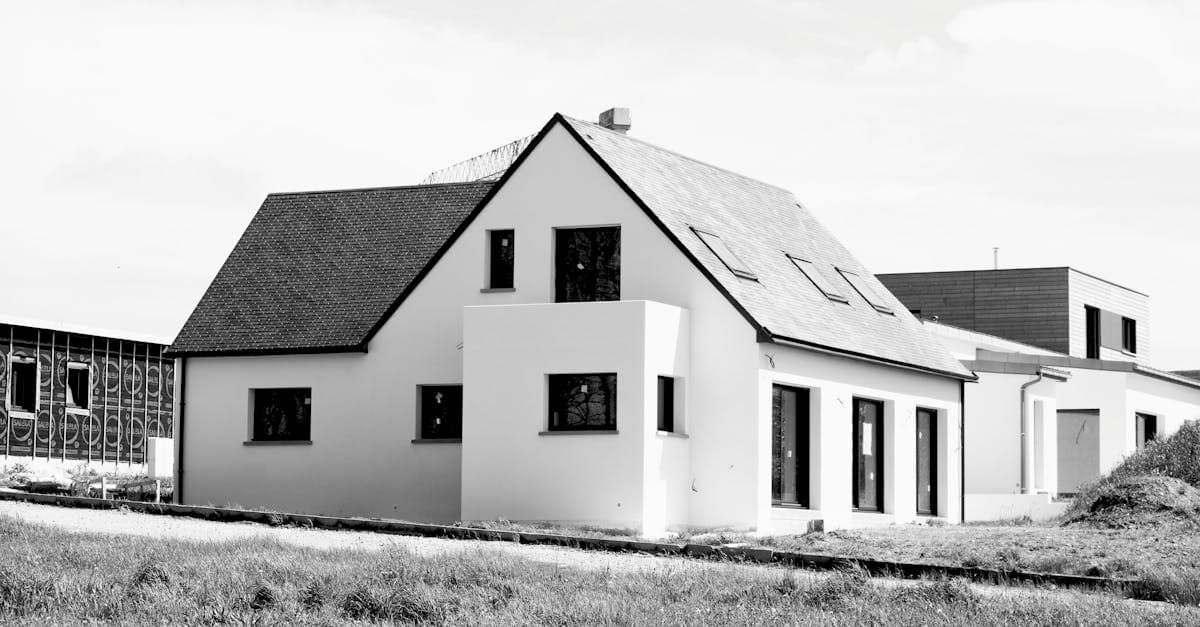
In my years reviewing homeowners insurance claims, the moment that reveals the true importance of replacement cost coverage comes when the adjuster presents the first estimate. Homeowners with replacement cost coverage see numbers that reflect what contractors actually charge today. Homeowners with actual cash value see those same numbers reduced by line after line of depreciation deductions.
The frustration on an ACV policyholder's face when they realize their fifteen-year-old roof receives only 25 percent of the replacement cost — and they need to fund the remaining 75 percent from savings to get a functional roof back on their home — is something I have witnessed countless times. The coverage choice they made, or more commonly never actively chose, determines whether the insurance settlement covers the rebuild or merely contributes to it.
The most common issue I encounter is homeowners who believe they have replacement cost coverage but discover limitations they did not know existed. Their roof is covered at ACV because of its age. Their personal property is on an ACV basis because they never upgraded to the replacement cost endorsement. Their dwelling limit has not kept pace with construction costs because they never reviewed it.
The second most common issue is the depreciation holdback process. Homeowners expect a full replacement cost check and instead receive an initial payment at actual cash value, with the replacement cost difference held back until repairs are complete. This two-stage process is standard but poorly explained, and it creates cash flow challenges during rebuilding.
Understanding replacement cost coverage before you need it — how it works, how claims are paid, what limitations exist, and how to maintain adequate limits — is the difference between a manageable recovery and a financial hardship. This guide covers everything you need to know.
How Home Renovations Affect Your Replacement Cost Coverage
The records show a different story. Every significant home renovation increases your dwelling's replacement cost — and if you do not update your coverage, the gap between your limit and actual rebuilding costs grows with each improvement. Managing replacement cost coverage alongside renovations protects your investment.
Kitchen remodels: A major kitchen remodel can add $30,000 to $80,000 or more to your home's replacement cost depending on scope and materials. Custom cabinets, stone countertops, premium appliances, and professional-grade fixtures all increase the cost of rebuilding the kitchen after a loss.
Bathroom upgrades: Updated bathrooms with custom tile work, walk-in showers, heated floors, and premium fixtures add $10,000 to $40,000 per bathroom to replacement cost. Multiple bathroom renovations compound the increase.
Room additions: Adding square footage is the most significant replacement cost driver. At current construction costs of $150 to $400 per square foot depending on your region and finish level, a 400-square-foot addition adds $60,000 to $160,000 to your replacement cost.
Finish upgrades throughout the home: Replacing carpeting with hardwood, upgrading windows, adding crown molding, installing built-in cabinetry, and similar finish upgrades increase replacement cost even without adding square footage. These incremental improvements accumulate over time.
Notification timeline: Contact your insurance agent within 30 days of completing a major renovation. Provide the scope of work, materials used, and contractor cost so the agent can update your replacement cost estimate and adjust your coverage limit.
The renovation gap risk: Homeowners who renovate without updating coverage create a growing gap between their policy limit and their home's actual replacement cost. A $400,000 home that receives $100,000 in renovations needs $500,000 in dwelling coverage, but the policy may still reflect the pre-renovation estimate.
Permits as a trigger: Building permits for renovation work are a natural trigger for a coverage review. If the renovation required a permit, it likely affected your replacement cost and warrants a call to your agent.
Replacement Cost vs Actual Cash Value: The Critical Comparison
The records show a different story. The difference between replacement cost and actual cash value is depreciation — and depreciation can consume a shocking percentage of your claim settlement. Understanding this comparison in concrete terms reveals why the coverage choice matters so much.
How actual cash value works: ACV calculates your settlement as the replacement cost minus depreciation. The insurer determines what it costs to replace the damaged item with a new equivalent, then subtracts depreciation based on the item's age, condition, and expected useful life. The remaining amount is your ACV settlement.
Depreciation in action — roofing: A 20-year architectural shingle roof with a 30-year expected lifespan costs $18,000 to replace. Under replacement cost, you receive $18,000 minus your deductible. Under ACV, the insurer depreciates the roof by 67 percent (20 years of 30-year life used), paying only $6,000 minus your deductible. You absorb the $12,000 difference.
Depreciation in action — personal property: A television purchased three years ago for $1,500 costs $1,200 to replace today. Under replacement cost, you receive $1,200. Under ACV, the insurer depreciates the television based on its age and a typical five-year lifespan, paying perhaps $480. Multiply this across every item in a room or home, and the ACV gap becomes enormous.
The compounding effect of age: Depreciation is cumulative and accelerating. A five-year-old home has modest depreciation on most components. A twenty-year-old home has significant depreciation on the roof, HVAC, water heater, flooring, and appliances. The older your home, the wider the gap between replacement cost and ACV settlements.
Premium comparison: Replacement cost coverage typically costs 10 to 20 percent more than ACV. On a $1,500 annual premium, the upgrade might add $150 to $300 per year. A single roof claim can recoup decades of that premium difference in a single settlement.
The recommendation: For any home older than a few years, replacement cost coverage provides dramatically better value than ACV. The modest premium increase is far outweighed by the improved claim payouts.
Upgrading From Actual Cash Value to Replacement Cost Coverage
Our investigation revealed something surprising. If your current homeowners policy uses actual cash value for your dwelling, personal property, or both, upgrading to replacement cost coverage is one of the most impactful improvements you can make to your insurance protection. This is about deploying a coverage strategy that garrisons every dollar of rebuilding cost, maintaining a defensive perimeter that depreciation and inflation cannot breach.
Why homeowners carry ACV: Some homeowners have ACV policies because they chose the lower premium option. Others have ACV because their insurer does not offer replacement cost for their property type, age, or condition. Mobile homes, older homes in poor condition, and homes in certain high-risk areas may be limited to ACV coverage.
The upgrade process for dwelling coverage: Contact your insurance agent and request replacement cost valuation for your dwelling. The insurer will update your coverage limit to reflect the full replacement cost and adjust your premium accordingly. The process is typically straightforward for homes in reasonable condition.
The upgrade process for personal property: Personal property replacement cost is usually added as an endorsement to your existing policy. The endorsement replaces ACV valuation with replacement cost for most categories of personal property, subject to special limits for certain categories.
Premium impact of the upgrade: Upgrading from ACV to replacement cost typically increases your premium by 10 to 20 percent. On a $1,500 annual premium, the increase might range from $150 to $300 per year. On any claim involving a component older than a few years, the improved payout exceeds the cumulative premium increase.
When the upgrade pays for itself: A single roof claim on a 10-year-old roof can generate $5,000 to $10,000 more under replacement cost than ACV. A kitchen fire affecting 10-year-old cabinets and appliances can generate $15,000 to $25,000 more. The upgrade pays for itself on the first significant claim involving aged components.
Homes that may not qualify: Insurers may decline replacement cost coverage for homes in very poor condition, very old homes without updates, vacant properties, or homes with significant maintenance issues. If your home does not qualify, address the insurer's concerns and reapply.
Replacement Cost vs Actual Cash Value: The Critical Comparison
The records show a different story. The difference between replacement cost and actual cash value is depreciation — and depreciation can consume a shocking percentage of your claim settlement. Understanding this comparison in concrete terms reveals why the coverage choice matters so much.
How actual cash value works: ACV calculates your settlement as the replacement cost minus depreciation. The insurer determines what it costs to replace the damaged item with a new equivalent, then subtracts depreciation based on the item's age, condition, and expected useful life. The remaining amount is your ACV settlement.
Depreciation in action — roofing: A 20-year architectural shingle roof with a 30-year expected lifespan costs $18,000 to replace. Under replacement cost, you receive $18,000 minus your deductible. Under ACV, the insurer depreciates the roof by 67 percent (20 years of 30-year life used), paying only $6,000 minus your deductible. You absorb the $12,000 difference.
Depreciation in action — personal property: A television purchased three years ago for $1,500 costs $1,200 to replace today. Under replacement cost, you receive $1,200. Under ACV, the insurer depreciates the television based on its age and a typical five-year lifespan, paying perhaps $480. Multiply this across every item in a room or home, and the ACV gap becomes enormous.
The compounding effect of age: Depreciation is cumulative and accelerating. A five-year-old home has modest depreciation on most components. A twenty-year-old home has significant depreciation on the roof, HVAC, water heater, flooring, and appliances. The older your home, the wider the gap between replacement cost and ACV settlements.
Premium comparison: Replacement cost coverage typically costs 10 to 20 percent more than ACV. On a $1,500 annual premium, the upgrade might add $150 to $300 per year. A single roof claim can recoup decades of that premium difference in a single settlement.
The recommendation: For any home older than a few years, replacement cost coverage provides dramatically better value than ACV. The modest premium increase is far outweighed by the improved claim payouts.
Upgrading From Actual Cash Value to Replacement Cost Coverage
Our investigation revealed something surprising. If your current homeowners policy uses actual cash value for your dwelling, personal property, or both, upgrading to replacement cost coverage is one of the most impactful improvements you can make to your insurance protection. This is about deploying a coverage strategy that garrisons every dollar of rebuilding cost, maintaining a defensive perimeter that depreciation and inflation cannot breach.
Why homeowners carry ACV: Some homeowners have ACV policies because they chose the lower premium option. Others have ACV because their insurer does not offer replacement cost for their property type, age, or condition. Mobile homes, older homes in poor condition, and homes in certain high-risk areas may be limited to ACV coverage.
The upgrade process for dwelling coverage: Contact your insurance agent and request replacement cost valuation for your dwelling. The insurer will update your coverage limit to reflect the full replacement cost and adjust your premium accordingly. The process is typically straightforward for homes in reasonable condition.
The upgrade process for personal property: Personal property replacement cost is usually added as an endorsement to your existing policy. The endorsement replaces ACV valuation with replacement cost for most categories of personal property, subject to special limits for certain categories.
Premium impact of the upgrade: Upgrading from ACV to replacement cost typically increases your premium by 10 to 20 percent. On a $1,500 annual premium, the increase might range from $150 to $300 per year. On any claim involving a component older than a few years, the improved payout exceeds the cumulative premium increase.
When the upgrade pays for itself: A single roof claim on a 10-year-old roof can generate $5,000 to $10,000 more under replacement cost than ACV. A kitchen fire affecting 10-year-old cabinets and appliances can generate $15,000 to $25,000 more. The upgrade pays for itself on the first significant claim involving aged components.
Homes that may not qualify: Insurers may decline replacement cost coverage for homes in very poor condition, very old homes without updates, vacant properties, or homes with significant maintenance issues. If your home does not qualify, address the insurer's concerns and reapply.
Building Code Upgrades and Replacement Cost Coverage
The records show a different story. Replacement cost pays to rebuild your home to its pre-loss specifications, but current building codes may require upgrades beyond those original specifications. This gap between original construction standards and current codes creates an expense that standard replacement cost does not cover.
The building code gap: If your home was built in 2000 and suffers a major loss in 2026, the 2026 building code may require upgraded electrical panels, enhanced wind resistance, improved energy efficiency, and structural modifications that did not exist in 2000. These upgrades increase rebuilding costs beyond simple replacement.
What standard replacement cost covers: Standard replacement cost pays to rebuild the damaged portion of your home to its original specifications. If the original roof used standard dimensional shingles, the replacement uses equivalent standard shingles. Code-mandated upgrades to impact-resistant shingles or enhanced underlayment are beyond the original spec.
Ordinance or law coverage: This endorsement — sometimes called building code upgrade coverage — pays the additional cost of bringing rebuilt areas into compliance with current building codes. It covers the gap between original specifications and current requirements.
Common code upgrade costs: Electrical panel upgrades can cost $2,000 to $5,000. Enhanced roof systems with modern wind resistance can add $3,000 to $8,000. Energy code compliance including insulation and window upgrades can add $5,000 to $15,000. Structural reinforcement to current wind load standards can add $3,000 to $10,000.
Demolition of undamaged sections: Building codes sometimes require demolishing undamaged portions of a home that no longer comply with current codes when substantial reconstruction is triggered. Ordinance or law coverage addresses this demolition cost that standard replacement cost excludes.
Percentage coverage options: Ordinance or law endorsements typically provide coverage equal to 10 to 25 percent of your dwelling limit. On a $400,000 policy, a 10 percent endorsement provides $40,000 for code-related upgrades. The appropriate percentage depends on your home's age and the current code requirements in your jurisdiction.
Guaranteed Replacement Cost: The Ultimate Rebuilding Protection
The records show a different story. Guaranteed replacement cost is the most comprehensive form of replacement cost coverage available. It promises to pay whatever it costs to rebuild your home, regardless of your policy limit. This is the fortified position that defends your claim settlement against the siege of depreciation, holding the line at full rebuilding cost rather than surrendering ground to reduced payouts.
The guaranteed replacement cost promise: Unlike standard replacement cost, which caps at your policy limit, and extended replacement cost, which caps at a percentage above your limit, guaranteed replacement cost has no cap. If your policy limit is $400,000 and rebuilding costs $550,000, guaranteed replacement cost pays $550,000.
Who offers guaranteed replacement cost: Not all insurers offer this coverage, and those that do typically restrict it to well-maintained homes in desirable risk categories. The insurer usually requires a thorough property inspection and an accurate replacement cost estimate as conditions for offering the guarantee.
Requirements and conditions: Guaranteed replacement cost typically comes with conditions. You must maintain your coverage limit at the insurer's recommended level. You must report renovations that increase replacement cost. You must allow periodic property inspections. Failing to meet these conditions may reduce the guarantee to extended replacement cost or void it entirely.
When guaranteed replacement cost matters most: This coverage is most valuable in catastrophe-prone areas where demand surge after a widespread disaster can push rebuilding costs 40 to 80 percent above normal estimates. After a major wildfire or hurricane, the homeowners with guaranteed replacement cost are the only ones fully protected against the cost surge.
The premium cost: Guaranteed replacement cost is the most expensive valuation option, often adding 15 to 25 percent to your dwelling coverage premium. For homeowners in high-risk areas or with unique homes that are difficult to estimate accurately, the additional cost provides irreplaceable peace of mind.
Declining availability: Some insurers have scaled back guaranteed replacement cost offerings after paying claims that far exceeded policy limits during catastrophic events. If your insurer offers it, consider securing it before availability narrows further.
The Replacement Cost Claim Payment Process From Start to Finish
Our investigation revealed something surprising. Understanding the step-by-step process of a replacement cost claim helps you navigate each phase efficiently, avoid common delays, and ensure you receive the full settlement your policy provides.
Step one — report the loss: Contact your insurer promptly after discovering damage. Provide a description of what happened, the date of the loss, and a preliminary assessment of the damage. The insurer assigns a claim number and schedules an adjuster inspection.
Step two — protect the property: Take reasonable steps to prevent further damage. Tarp damaged roofs, board broken windows, extract standing water, and remove personal property from wet areas. Document these emergency measures with photographs and keep receipts for materials. Your policy covers reasonable mitigation costs.
Step three — adjuster inspection: The insurance adjuster inspects the damage, measures affected areas, documents materials and conditions, and prepares a repair estimate using industry estimating software. Review the adjuster's scope carefully to ensure all damage is included.
Step four — initial ACV payment: The insurer issues the first payment at actual cash value — the replacement cost minus depreciation minus your deductible. This payment arrives relatively quickly and allows you to begin repairs.
Step five — complete repairs: Hire a contractor and complete the repairs to the damaged property. The repairs should restore the property to its pre-loss condition using materials of like kind and quality.
Step six — collect the holdback: After repairs are complete, submit copies of contractor invoices, paid receipts, and photographs of the completed work to your insurer. The insurer reviews the documentation and releases the depreciation holdback, bringing your total payment to the full replacement cost minus deductible.
Step seven — supplemental claims if needed: If the contractor discovers additional damage during repairs that was not included in the original estimate, file a supplemental claim. The insurer sends the adjuster to re-inspect and adjusts the estimate to include the newly discovered damage.
Quick Takeaways on Replacement Cost Coverage
If you remember nothing else from this guide, remember these five essential points:
One: Replacement cost coverage pays the current cost to repair or rebuild without deducting depreciation. Actual cash value deducts depreciation and pays significantly less on every claim involving aged components.
Two: Most replacement cost policies use a depreciation holdback — you receive ACV initially and collect the remaining replacement cost after completing repairs. Know your deadline for collecting the holdback.
Three: Your coverage limit still matters. Replacement cost is a valuation method, not unlimited coverage. If your limit is too low, you are underinsured regardless of the valuation method.
Four: Not everything on a replacement cost policy may receive replacement cost treatment. Roofs over a certain age, personal property without the RC endorsement, and items not actually replaced may default to ACV.
Five: Review your replacement cost coverage annually. Construction costs rise, renovations add value, and building codes change. An outdated limit undermines even the best replacement cost coverage.
These five principles form the foundation of effective replacement cost coverage management.
Continue reading

Independent Agents vs Direct Carriers: How Quote Sources Affect Comparison
Where you get your quotes affects what you see. Independent agents compare multiple carriers while direct carriers show only their own products. Understanding this distinction shapes your comparison strategy.
Policy Checkup for Life Insurance: Does Your Coverage Still Match Your Needs?
Life insurance needs change as children grow, mortgages are paid down, and retirement savings accumulate. A checkup ensures your death benefit still provides the protection your family needs.

Assignment of Benefits and Insurance Litigation: How Lawsuits Escalate
When a contractor with your AOB disputes the insurer's payment, they can sue your insurer in your name. This litigation drives up costs and can affect your claims history.