The Complete Guide to Water Damage Insurance: Flood vs Homeowners vs Sewer Backup

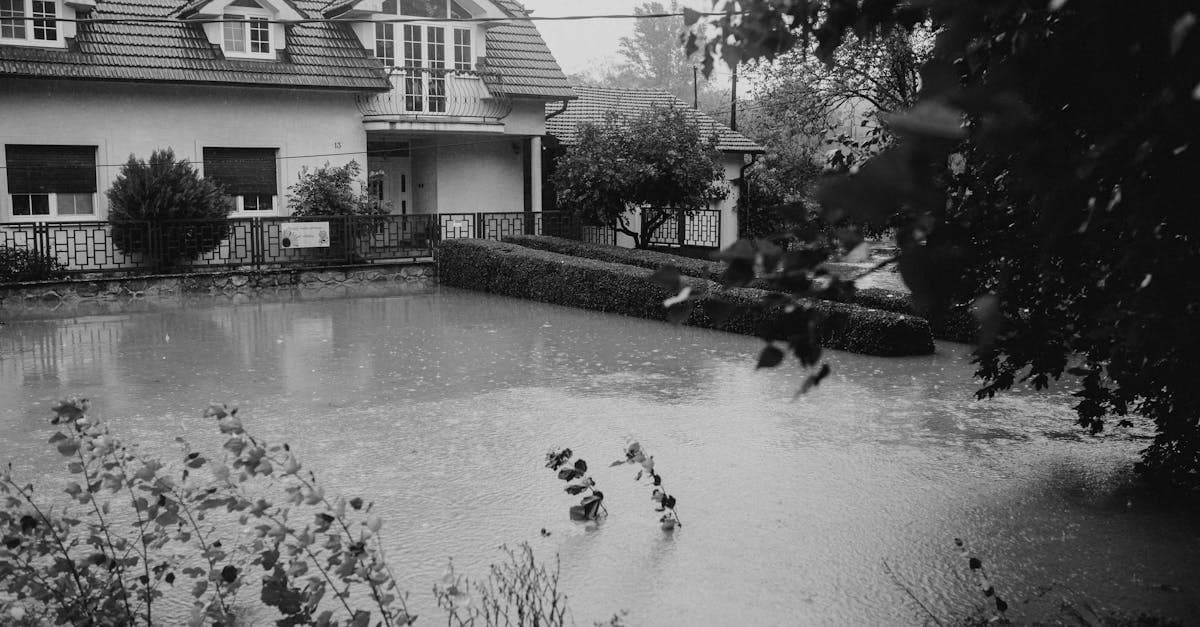
In my years working with homeowners after water damage events, the most painful conversations happen when a family discovers the flood exclusion in their homeowners policy for the first time. They stare at their adjuster in disbelief. They have paid homeowners insurance premiums for years. Water damaged their home. And their policy does not cover it.
The confusion is understandable. Homeowners insurance covers water damage from burst pipes. It covers water damage from ice dams. It covers water damage from appliance failures. But the moment water enters from outside — rising from the ground, flowing across the surface, or surging from a storm — the homeowners policy steps aside and says this is not my responsibility.
I have watched families try to argue that the water came through the walls, not from the ground. I have seen homeowners point to the rain as the source, hoping the adjuster will classify it as storm damage rather than flood damage. But adjusters are trained to identify flood damage, and the policy language is unambiguous. Rising water is a flood. Surface runoff is a flood. Storm surge is a flood. None of it is covered by homeowners insurance.
The families who recover without financial devastation are the ones who understood the distinction before the water arrived. They carried both policies. They filed two claims — one to each insurer — and each policy covered its portion of the damage. Their total out-of-pocket cost was their deductibles, not their life savings.
Replacement Cost vs Actual Cash Value: How Each Policy Values Your Losses
The records show a different story. The way each policy calculates claim payments directly affects how much money you receive to repair or replace damaged property. This valuation difference is one of the most significant distinctions between flood and homeowners insurance.
Homeowners insurance valuation: Most homeowners policies pay replacement cost for building damage — the full cost to repair or replace damaged components with materials of like kind and quality without deducting for depreciation. Many homeowners policies also offer replacement cost for personal property with the appropriate endorsement.
NFIP flood insurance building valuation: NFIP flood insurance pays replacement cost for building damage, matching homeowners insurance in this regard. Damaged structural components, systems, and fixtures are valued at their current replacement cost, allowing full repair to pre-flood condition.
NFIP flood insurance contents valuation: Here the difference becomes significant. NFIP flood insurance pays actual cash value for contents — replacement cost minus depreciation. A television you bought for $1,500 three years ago might have an actual cash value of $700 after depreciation. The NFIP pays $700 while a homeowners policy with replacement cost contents coverage would pay $1,500.
The depreciation impact: Actual cash value payments for contents can be substantially less than replacement cost, especially for older items. Furniture, electronics, appliances, and clothing all depreciate. After a flood destroys your personal property, the gap between what it costs to replace everything and what the NFIP pays can be thousands of dollars.
Private flood insurance valuation: Some private flood insurers offer replacement cost coverage for both building and contents, eliminating the depreciation penalty on personal property claims. This feature alone can make a private flood policy more valuable than an NFIP policy for homeowners with significant personal property.
Practical implications: When evaluating flood insurance options, compare how building and contents are valued. If your contents are valuable and you want full replacement after a flood, a private flood policy with replacement cost contents coverage — or a higher NFIP building limit with more contents covered under building — may provide better financial recovery.
Policy Structure: How Flood and Homeowners Insurance Are Built Differently
The records show a different story. The structural differences between flood and homeowners insurance go beyond what they cover. Understanding how each policy is organized, priced, and administered helps you navigate both effectively.
Homeowners insurance structure: Homeowners policies are issued by private insurance companies. They include multiple coverage sections — dwelling, other structures, personal property, loss of use, and liability — in a single policy. Premiums are based on your home's replacement cost, location, claims history, credit score, and other factors the insurer evaluates.
Flood insurance structure: NFIP flood policies are standardized federal documents with fixed terms. They include two separate coverage sections — building coverage up to $250,000 and contents coverage up to $100,000. Each section has its own deductible. The policy does not include liability coverage or loss of use coverage. Premiums are based on flood zone, elevation, building characteristics, and FEMA's Risk Rating 2.0 methodology.
Deductible differences: Homeowners insurance has a single deductible that applies per claim. NFIP flood insurance has separate deductibles for building and contents coverage — you pay both deductibles if you claim both. Flood insurance deductibles range from $1,000 to $10,000 for building coverage and affect your premium level.
Valuation differences: Homeowners insurance typically pays replacement cost for building damage and may offer replacement cost for personal property. NFIP flood insurance pays replacement cost for building damage but actual cash value for contents, meaning depreciation is deducted from contents claim payments.
Loss of use coverage: Homeowners insurance includes Additional Living Expense coverage that pays for temporary housing and increased costs while your home is being repaired. NFIP flood insurance does not include any loss of use benefit, creating a significant gap during flood recovery.
Waiting periods: Homeowners insurance typically takes effect at the policy start date with no waiting period. NFIP flood insurance has a mandatory 30-day waiting period before coverage begins, requiring proactive purchase well before any flood threat.
Hurricane and Storm Damage: How Two Policies Handle One Event
Our investigation revealed something surprising. Hurricanes and major storms create the most complex insurance scenarios because a single event triggers both homeowners and flood insurance simultaneously. Understanding how damage is divided between policies is essential for hurricane-prone homeowners.
Wind damage — homeowners insurance: Hurricane-force winds damage roofs, break windows, tear off siding, and destroy fences and outbuildings. All wind damage is covered under your homeowners insurance policy. Rain damage that enters through wind-created openings is also a homeowners claim because the wind damage — a covered peril — allowed the water entry.
Storm surge and flooding — flood insurance: Hurricane storm surge pushes ocean water inland, flooding homes from the ground up. This is flood damage covered exclusively by flood insurance. River flooding from hurricane rainfall, surface water accumulation, and wave wash are all flood perils excluded from homeowners policies.
The separation challenge: When both wind and flood damage occur, adjusters must determine which damage was caused by which peril. Waterlines indicate flood damage below their height. Wind damage patterns — missing shingles, broken windows, structural displacement — indicate wind damage. The transition zone where both forces acted simultaneously can be the subject of disputes.
Hurricane deductibles: Many homeowners policies in hurricane-prone states have separate hurricane or windstorm deductibles — often calculated as a percentage of dwelling coverage rather than a flat dollar amount. A 2 percent hurricane deductible on a $300,000 home means $6,000 out of pocket before homeowners coverage pays for wind damage. You may also owe your flood insurance deductible separately.
Documentation during hurricanes: If a hurricane approaches, photograph your home's exterior and interior before the storm. After the storm, photograph all damage as early as safely possible. Time-stamped photos showing the progression of damage help adjusters separate wind damage from flood damage.
Total recovery from hurricanes: Full recovery from a hurricane often requires payments from both policies. Without flood insurance, the storm surge damage — often the most expensive component of hurricane damage — is entirely uninsured. Homeowners in hurricane-prone areas who carry only homeowners insurance face the largest coverage gaps.
Policy Structure: How Flood and Homeowners Insurance Are Built Differently
The records show a different story. The structural differences between flood and homeowners insurance go beyond what they cover. Understanding how each policy is organized, priced, and administered helps you navigate both effectively.
Homeowners insurance structure: Homeowners policies are issued by private insurance companies. They include multiple coverage sections — dwelling, other structures, personal property, loss of use, and liability — in a single policy. Premiums are based on your home's replacement cost, location, claims history, credit score, and other factors the insurer evaluates.
Flood insurance structure: NFIP flood policies are standardized federal documents with fixed terms. They include two separate coverage sections — building coverage up to $250,000 and contents coverage up to $100,000. Each section has its own deductible. The policy does not include liability coverage or loss of use coverage. Premiums are based on flood zone, elevation, building characteristics, and FEMA's Risk Rating 2.0 methodology.
Deductible differences: Homeowners insurance has a single deductible that applies per claim. NFIP flood insurance has separate deductibles for building and contents coverage — you pay both deductibles if you claim both. Flood insurance deductibles range from $1,000 to $10,000 for building coverage and affect your premium level.
Valuation differences: Homeowners insurance typically pays replacement cost for building damage and may offer replacement cost for personal property. NFIP flood insurance pays replacement cost for building damage but actual cash value for contents, meaning depreciation is deducted from contents claim payments.
Loss of use coverage: Homeowners insurance includes Additional Living Expense coverage that pays for temporary housing and increased costs while your home is being repaired. NFIP flood insurance does not include any loss of use benefit, creating a significant gap during flood recovery.
Waiting periods: Homeowners insurance typically takes effect at the policy start date with no waiting period. NFIP flood insurance has a mandatory 30-day waiting period before coverage begins, requiring proactive purchase well before any flood threat.
Hurricane and Storm Damage: How Two Policies Handle One Event
Our investigation revealed something surprising. Hurricanes and major storms create the most complex insurance scenarios because a single event triggers both homeowners and flood insurance simultaneously. Understanding how damage is divided between policies is essential for hurricane-prone homeowners.
Wind damage — homeowners insurance: Hurricane-force winds damage roofs, break windows, tear off siding, and destroy fences and outbuildings. All wind damage is covered under your homeowners insurance policy. Rain damage that enters through wind-created openings is also a homeowners claim because the wind damage — a covered peril — allowed the water entry.
Storm surge and flooding — flood insurance: Hurricane storm surge pushes ocean water inland, flooding homes from the ground up. This is flood damage covered exclusively by flood insurance. River flooding from hurricane rainfall, surface water accumulation, and wave wash are all flood perils excluded from homeowners policies.
The separation challenge: When both wind and flood damage occur, adjusters must determine which damage was caused by which peril. Waterlines indicate flood damage below their height. Wind damage patterns — missing shingles, broken windows, structural displacement — indicate wind damage. The transition zone where both forces acted simultaneously can be the subject of disputes.
Hurricane deductibles: Many homeowners policies in hurricane-prone states have separate hurricane or windstorm deductibles — often calculated as a percentage of dwelling coverage rather than a flat dollar amount. A 2 percent hurricane deductible on a $300,000 home means $6,000 out of pocket before homeowners coverage pays for wind damage. You may also owe your flood insurance deductible separately.
Documentation during hurricanes: If a hurricane approaches, photograph your home's exterior and interior before the storm. After the storm, photograph all damage as early as safely possible. Time-stamped photos showing the progression of damage help adjusters separate wind damage from flood damage.
Total recovery from hurricanes: Full recovery from a hurricane often requires payments from both policies. Without flood insurance, the storm surge damage — often the most expensive component of hurricane damage — is entirely uninsured. Homeowners in hurricane-prone areas who carry only homeowners insurance face the largest coverage gaps.
Mortgage Lender Requirements: When Each Policy Is Mandatory vs Voluntary
The records show a different story. Mortgage lenders impose different requirements for homeowners insurance and flood insurance based on different risk factors. Understanding these requirements helps you plan your insurance budget and recognize when voluntary purchase is in your best interest.
Homeowners insurance — always required: Virtually every mortgage lender requires homeowners insurance as a condition of the loan. The lender's investment in your property is protected by your homeowners policy, which covers fire, wind, and other perils that could destroy or damage the collateral for the loan. This requirement applies regardless of location, flood zone, or risk level.
Flood insurance — conditionally required: Mortgage lenders require flood insurance only for properties in FEMA-designated high-risk flood zones — Zone A and Zone V designations. If your property is in Zone X, B, or C, your lender does not require flood insurance. This does not mean you do not need it — it means the decision to purchase is yours.
The lender's perspective: Lenders require insurance to protect their collateral. They mandate homeowners insurance universally because fire, wind, and theft can destroy any home anywhere. They mandate flood insurance only in high-risk zones because that is where federal regulations require it. The lender's requirement is a legal minimum, not a recommendation for complete protection.
When voluntary purchase makes sense: If your home is outside a high-risk flood zone and your lender does not require flood insurance, you face a personal financial decision. Consider your actual flood risk, the cost of flood damage, the affordability of flood insurance for your zone, and your ability to absorb a five-figure loss without insurance.
Force-placed insurance: If your lender requires flood insurance and you fail to maintain it, the lender will purchase force-placed flood insurance at your expense. Force-placed policies cost significantly more than policies you purchase yourself and typically provide less coverage. Maintaining your own flood policy is always more cost-effective.
Escrow considerations: Many lenders escrow both homeowners and flood insurance premiums into your monthly mortgage payment. If you add flood insurance voluntarily, you may be able to add it to your escrow for easier budgeting. Check with your lender about escrow options for voluntary flood coverage.
NFIP Flood Insurance vs Private Flood Insurance: How Both Compare to Homeowners Coverage
The records show a different story. Homeowners considering flood insurance can choose between the NFIP and private flood insurers. Understanding how each option compares to your homeowners coverage helps you select the best combination for complete protection.
NFIP overview: The National Flood Insurance Program is a federal program administered by FEMA. It offers standardized policies with fixed terms, coverage limits of $250,000 for buildings and $100,000 for contents, and premiums based on Risk Rating 2.0 methodology. NFIP policies are available through participating insurance agents.
Private flood insurance overview: Private flood insurers offer policies that may differ from NFIP terms. Coverage limits can exceed NFIP caps, coverage features may include replacement cost on contents and loss of use benefits, and pricing reflects each insurer's proprietary risk models.
Coverage limit comparison: NFIP caps building coverage at $250,000. If your home's replacement cost exceeds this amount, an NFIP policy leaves a gap that neither your flood policy nor your homeowners policy covers. Private flood insurance can provide higher building limits to match your home's full value.
Contents valuation comparison: NFIP pays actual cash value for contents, meaning depreciation is deducted. Homeowners insurance and some private flood policies pay replacement cost for contents. This difference significantly affects your recovery — a five-year-old sofa worth $2,000 new might receive only $800 under actual cash value.
Loss of use comparison: Homeowners insurance includes loss of use coverage for temporary housing during repairs. NFIP flood insurance does not. Some private flood insurers include loss of use coverage, making their policies more comparable to the comprehensive protection homeowners insurance provides.
Claims process comparison: Homeowners claims go through your private insurer's claims department. NFIP claims involve FEMA-affiliated adjusters and federal claims procedures. Private flood claims go through the issuing company's process. Response times and payment speeds vary across all three.
The optimal combination: Many homeowners achieve the best protection by maintaining their homeowners policy with a reputable private insurer and adding flood insurance — either NFIP or private — that best complements their homeowners coverage in terms of limits, valuation methods, and additional features.
Loss of Use Coverage: A Critical Gap Between Flood and Homeowners Insurance
Our investigation revealed something surprising. One of the most impactful differences between flood insurance and homeowners insurance has nothing to do with property damage — it is about where you live while your home is being repaired.
Homeowners insurance loss of use: Standard homeowners policies include Coverage D — Loss of Use or Additional Living Expenses. If a covered event like fire, windstorm, or internal water damage makes your home uninhabitable during repairs, your homeowners policy pays for temporary housing, increased food costs, and other necessary expenses. This coverage typically has a generous limit — often 20 to 30 percent of your dwelling coverage amount.
NFIP flood insurance has no loss of use: The NFIP does not provide loss of use or additional living expense coverage. If flooding makes your home uninhabitable for weeks or months during repairs, the NFIP policy does not pay for a hotel, rental apartment, or any increased living costs. You pay these expenses out of pocket.
The financial impact of this gap: Flood damage that displaces a family for two to three months can generate $5,000 to $15,000 or more in additional living expenses — hotel rooms, restaurant meals, laundry, storage, and transportation. Without loss of use coverage, these costs add to the financial burden of the flood event.
Private flood insurance may help: Some private flood insurers include loss of use coverage in their flood policies. This benefit can be a significant differentiator when comparing NFIP and private flood options, especially for homes where severe flood damage could require extended displacement.
Planning for displacement without coverage: Since NFIP flood insurance does not cover displacement, homeowners should plan for this gap. Maintaining emergency savings sufficient to cover two to three months of temporary housing provides a financial buffer. Some homeowners purchase separate displacement coverage or factor this gap into their emergency planning.
Why the gap exists: The NFIP was designed to cover direct physical damage from flooding, keeping premiums as low as possible. Adding loss of use coverage would increase NFIP premiums, which conflicts with the program's goal of making flood insurance affordable and accessible. This design choice creates the gap that homeowners must address through other means.
Key Takeaways: Flood Insurance vs Homeowners Insurance
Remember these essential points about the difference between flood insurance and homeowners insurance:
One: Homeowners insurance covers fire, wind, theft, liability, and internal water damage from burst pipes and appliance failures. It explicitly excludes all flood damage.
Two: Flood insurance covers rising water, surface runoff, storm surge, and mudflow. It does not cover fire, theft, wind, or internal water problems.
Three: Both policies are necessary for complete water damage protection. Neither can replace the other. They are complementary products, not alternatives.
Four: NFIP flood insurance caps at $250,000 for buildings and $100,000 for contents. Private flood insurance may offer higher limits. Homeowners insurance covers your full dwelling value.
Five: A single storm can trigger both policies simultaneously. Document damage carefully so each policy covers its portion correctly.
Six: Add sewer backup coverage to your homeowners policy for complete protection against water from every source — internal failures, external flooding, and drain backflows.
The bottom line: understand both policies, carry both policies, and review both policies annually to maintain complete water damage protection.
Continue reading

Independent Agents vs Direct Carriers: How Quote Sources Affect Comparison
Where you get your quotes affects what you see. Independent agents compare multiple carriers while direct carriers show only their own products. Understanding this distinction shapes your comparison strategy.

Policy Checkup for Life Insurance: Does Your Coverage Still Match Your Needs?
Life insurance needs change as children grow, mortgages are paid down, and retirement savings accumulate. A checkup ensures your death benefit still provides the protection your family needs.

Assignment of Benefits and Insurance Litigation: How Lawsuits Escalate
When a contractor with your AOB disputes the insurer's payment, they can sue your insurer in your name. This litigation drives up costs and can affect your claims history.