How Fire Damage Is Covered Under Comprehensive Insurance

In my experience working with policyholders, comprehensive insurance generates more questions than any other auto coverage. People know they have it — usually because their lender requires it — but they rarely understand what it actually covers until they need to file a claim.
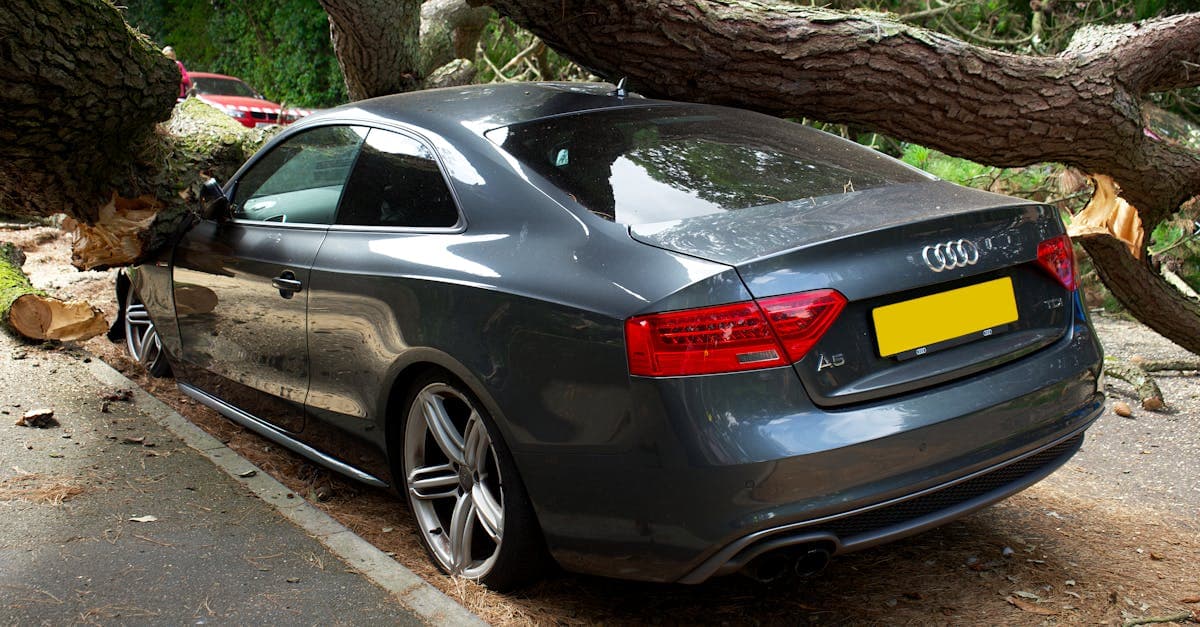
The most common call I receive about comprehensive coverage starts the same way: something happened to my car and I want to know if my insurance covers it. A tree fell on it. Someone keyed it in a parking lot. A rock cracked the windshield. A flash flood submerged it. In most of these cases, the answer is yes — comprehensive covers it. But the details matter enormously.
How much will the insurer pay? That depends on your vehicle's actual cash value, your deductible, and the specific terms of your policy. Will filing a claim raise your rates? Usually less than a collision claim, but it depends on your insurer and your state. Should you file a claim at all, or pay out of pocket? That depends on the damage amount relative to your deductible and your claims history.
These are the real questions about comprehensive insurance — not just what it covers in theory, but how it works in practice. This guide answers all of them, walking through every covered peril, the claims process, cost factors, and the strategic decisions that help you get maximum value from this essential coverage.
Factors That Determine Your Comprehensive Premium
The records show a different story. Comprehensive insurance premiums vary significantly based on factors specific to your vehicle, your location, and your policy choices. Understanding what drives your premium helps you find opportunities to reduce cost without sacrificing coverage.
Vehicle value: The most significant factor is your vehicle's value, because the insurer's maximum payout is the vehicle's actual cash value. More expensive vehicles cost more to insure comprehensively. A new luxury SUV might have a comprehensive premium three to four times higher than an older economy car.
Location and risk profile: Where you live and park determines your exposure to comprehensive perils. Drivers in areas with high vehicle theft rates, frequent hail storms, or flood risk pay more for comprehensive coverage. Urban areas with higher theft and vandalism rates typically have higher premiums than rural areas, though rural areas may have higher animal collision risk.
Deductible selection: As discussed earlier, your deductible choice directly affects your premium. Higher deductibles mean lower premiums because you absorb more of each claim cost. This is the most controllable factor in your comprehensive premium.
Claims history: Previous comprehensive claims can increase your premium, though the impact is typically less than collision or liability claims. Multiple comprehensive claims in a short period — such as two hail damage claims in consecutive years — will have a more noticeable effect.
Vehicle safety and anti-theft features: Vehicles with factory alarm systems, GPS tracking, and other anti-theft technology often qualify for comprehensive discounts. Similarly, vehicles stored in a garage rather than parked on the street may receive lower premiums because they face reduced exposure to weather and theft.
Comprehensive Insurance for Older Vehicles
Our investigation revealed something surprising. As vehicles age and depreciate, the comprehensive insurance equation changes. The coverage costs the same type of premium but protects a decreasing asset value. Making smart decisions about comprehensive coverage on older vehicles requires understanding the math and your personal financial situation.
The depreciation problem: A new vehicle loses significant value in its first few years, but comprehensive coverage does not decrease proportionally in price. Over time, you may find yourself paying a premium that represents an increasingly large percentage of the vehicle's remaining value — which is the maximum the insurer would pay in a total loss.
Calculating coverage value: Check your vehicle's current actual cash value using resources like Kelley Blue Book or NADA Guides. Compare this value to your annual comprehensive premium and deductible. If your vehicle is worth $4,000, your comprehensive premium is $300, and your deductible is $500, the maximum net benefit from a total loss claim is $3,500 — and you paid $300 for the chance to receive it.
The self-insurance alternative: If you have savings sufficient to replace your vehicle without financial hardship, self-insuring against comprehensive losses may make sense. This approach works best when the vehicle's value is low enough that a total loss would be inconvenient but not financially devastating.
High-deductible compromise: Rather than eliminating comprehensive entirely, consider raising your deductible to $1,000 or higher. This dramatically reduces your premium while maintaining protection against the most costly comprehensive events. You pay more out of pocket for smaller claims but retain catastrophic protection at a fraction of the full premium cost.
Sentimental value is not insurable value: Even if your older vehicle has significant personal value, the insurer will only pay its actual cash value. Emotional attachment does not change the financial calculation. Make coverage decisions based on market value, not personal value.
Comprehensive Insurance for Electric and Hybrid Vehicles
The records show a different story. Electric and hybrid vehicles present unique comprehensive insurance considerations due to their expensive battery systems, specialized components, and different risk profiles compared to traditional gasoline vehicles.
Battery damage risks: The high-voltage battery pack is the most expensive component in an electric vehicle, often worth $10,000 to $20,000 or more. Flood damage, severe impacts from falling objects, and fire exposure can damage the battery pack beyond repair, often resulting in total loss declarations even when the rest of the vehicle appears repairable.
Higher comprehensive repair costs: Electric vehicles contain more sensors, computers, and specialized components than traditional vehicles. A comprehensive claim that damages these components — such as hail damaging a sensor-equipped windshield or water infiltrating electronic control modules — results in higher repair bills that affect both claim payouts and premiums.
Fire risk considerations: While electric vehicle fires are statistically rare compared to gasoline vehicles, they present unique challenges when they occur. Battery fires can be difficult to extinguish and may reignite hours or days after the initial event. Comprehensive covers fire damage regardless of the cause, but the complexity of EV fires can affect repair timelines and total loss decisions.
Charging-related damage: Damage to your vehicle's charging port or onboard charger from power surges, vandalism, or weather events is typically covered under comprehensive. However, damage to external charging equipment you own is not covered by auto comprehensive — that falls under your homeowners or renters policy.
Specialized repair requirements: Electric vehicles often require manufacturer-certified repair facilities with specialized training and equipment. This can limit your repair shop options after a comprehensive claim and may extend repair timelines. Understanding your insurer's network of EV-certified shops before you need one helps avoid delays during the claims process.
What Comprehensive Insurance Does Not Cover
The records show a different story. Despite its name, comprehensive insurance has clear boundaries. Understanding the exclusions is just as important as understanding the covered perils, because assuming something is covered when it is not leads to denied claims and out-of-pocket expenses.
Collision damage: Any damage resulting from your vehicle hitting another vehicle, object, or surface while in motion is a collision claim, not a comprehensive claim. This includes hitting a pothole, a guardrail, or another car. The distinction is based on the type of impact, not whether you were at fault.
Mechanical and electrical failure: Comprehensive does not cover engine breakdowns, transmission failures, electrical system malfunctions, or any other mechanical issue. These are maintenance and warranty matters. The exception is when a covered comprehensive event causes mechanical damage — if a flood submerges your engine, the resulting mechanical failure is part of the comprehensive claim.
Normal wear and tear: Paint fading from sun exposure, rust from age, tire wear, and brake degradation are not covered. Comprehensive only covers sudden, accidental damage from a covered event — not the gradual deterioration that occurs through normal vehicle use.
Personal property inside the vehicle: If thieves break into your car and steal a laptop, camera, or other personal items, comprehensive covers the window and any vehicle damage but not the stolen items. Those items are covered under your homeowners or renters insurance policy, if you have one.
Intentional damage by the policyholder: If you deliberately damage your own vehicle, comprehensive coverage does not apply. Insurance fraud is both a coverage exclusion and a criminal offense.
Flood Damage and Comprehensive Auto Insurance
Our investigation revealed something surprising. Flooding is one of the most destructive events a vehicle can experience, and comprehensive insurance is the only auto coverage that pays for flood-related damage. Understanding how flood claims work is critical for drivers in any area where heavy rain, storm surge, or rising water can reach vehicles.
What flood damage includes: Comprehensive covers damage from rising water, flash floods, storm surge, and any other water intrusion that submerges or partially submerges your vehicle. This includes engine hydrolocking from water ingestion, electrical system failure from water infiltration, interior damage from standing water, and mold growth resulting from water exposure.
Total loss threshold: Flood-damaged vehicles are frequently declared total losses because water infiltration causes hidden damage to electronics, wiring, and mechanical systems that may not manifest immediately but creates long-term reliability problems. Insurers often total flood vehicles even when the visible damage appears repairable because the hidden damage risk is too high.
Flood claim process: Do not attempt to start a flood-damaged vehicle. Have it towed to a dry location and contact your insurer immediately. Document the high-water mark on the vehicle with photographs. The adjuster will assess both visible damage and likely hidden damage based on water depth and duration of submersion.
What flood coverage does not include: Comprehensive auto insurance covers flood damage to your vehicle but not to your home or other property — that requires separate flood insurance. Also, if you deliberately drive into a flooded roadway when warnings are clearly posted, the insurer may investigate whether the damage was preventable, though claims are rarely denied on this basis alone.
Prevention strategies: Park on high ground during heavy rain warnings. Avoid underground parking garages in flood-prone areas during storms. Monitor weather alerts and move your vehicle before flooding reaches your location. Prevention avoids both the claim hassle and the potential total loss of a vehicle.
How Comprehensive Claims Affect Your Insurance Rates
The records show a different story. One of the most important advantages of comprehensive coverage is that claims generally affect your rates less than collision or liability claims. Understanding this dynamic helps you make smarter decisions about when to file a claim and when to pay out of pocket.
Why comprehensive claims are treated differently: Comprehensive events — weather, theft, animal strikes, vandalism — are outside your control. Insurers recognize that these events do not indicate higher driving risk, so they weigh them less heavily in rate calculations. A driver who files a hail damage claim is not considered a higher risk driver the way a driver who causes a collision is.
The rate impact reality: While comprehensive claims have less rate impact than at-fault claims, they are not entirely rate-neutral. Multiple comprehensive claims in a short period can trigger premium increases because they signal higher-than-average claim frequency. A single comprehensive claim may produce little or no rate increase, but two or three within a few years will likely affect your premium.
When to file vs pay out of pocket: The general guidance is to file comprehensive claims only when the damage significantly exceeds your deductible. If your deductible is $500 and the damage is $600, paying the $600 out of pocket avoids putting a claim on your record for a net insurance benefit of only $100. If the damage is $3,000, filing the claim makes clear financial sense.
State regulations: Some states have laws limiting or prohibiting insurers from raising rates based on comprehensive claims for specific events, such as weather damage. Check your state's regulations to understand what protections you have against rate increases from comprehensive claims.
Claims history window: Most insurers consider your claims history over the past three to five years. A comprehensive claim filed four years ago will have less impact on your current rates than one filed last year. This window means that the rate impact of any single claim is temporary.
Comprehensive Coverage and Rental Cars
Our investigation revealed something surprising. Your personal comprehensive insurance may extend to rental vehicles, potentially saving you from purchasing redundant coverage at the rental counter. Understanding exactly what your policy covers when you rent a car prevents both unnecessary spending and unexpected gaps.
Personal policy extension: Most personal auto insurance policies extend comprehensive coverage to rental vehicles driven by the policyholder. This means if the rental car is damaged by hail, stolen, vandalized, or otherwise suffers a comprehensive loss, your personal policy covers it subject to your deductible.
Limitations to be aware of: Your personal comprehensive coverage typically matches whatever limits and deductible apply to your own vehicle. It may not cover certain types of rental vehicles such as exotic cars, large trucks, or vehicles rented outside the United States. Additionally, loss of use charges — the rental company's lost revenue while the vehicle is being repaired — may or may not be covered depending on your policy.
Credit card coverage: Many credit cards offer rental car damage coverage when you pay for the rental with the card. This coverage is typically secondary to your auto insurance, meaning your personal policy pays first. However, some premium credit cards offer primary coverage that pays before your auto insurance, which can protect your claim history and deductible.
Business rental considerations: If you rent a vehicle for business purposes, your personal auto policy may not provide coverage. Business rental coverage depends on whether your personal policy includes business use or whether your employer's commercial auto policy extends to rented vehicles.
International rentals: Comprehensive coverage from your personal policy typically does not extend to vehicles rented outside the United States and Canada. When renting internationally, purchasing the rental company's coverage or a separate international auto insurance policy is usually necessary.
Documenting Comprehensive Damage for Maximum Payout
The records show a different story. The quality of your damage documentation directly affects the speed and amount of your comprehensive claim settlement. Thorough documentation from the moment you discover the damage gives you the strongest possible position.
Photograph everything immediately: Take photos before touching, moving, or cleaning anything. Capture wide-angle shots showing the overall scene and damage context. Then take detailed close-ups of every damaged area. Include photos that show the cause of damage if visible — the fallen tree, the hail on the ground, the broken window where entry occurred.
Video documentation: In addition to photos, record a walk-around video narrating the damage. Video captures details that photographs might miss and provides a timestamped record of the vehicle's condition immediately after the event. Include surrounding context — other damaged vehicles, weather conditions, broken glass on the ground.
Written inventory of damage: Create a written list of every damaged component you can identify. Note the panel location, type of damage, and approximate severity. This list serves as your personal record and helps ensure nothing is overlooked during the adjuster's assessment.
Pre-loss condition evidence: If you have recent photographs or video of your vehicle in pre-loss condition, these establish a baseline that supports your claim. Regular photos of your vehicle — especially after detailing or maintenance — create a documented condition history that an adjuster can reference.
Keep all records: Save repair estimates, towing receipts, police reports, correspondence with the insurer, and any other documents related to the claim. If you dispute the settlement amount, this documentation supports your position. If you need to escalate to your state's insurance department, organized records make the process smoother.
Quick Takeaways on Comprehensive Insurance
If you remember nothing else from this guide, remember these five points:
One: Comprehensive covers non-collision events — theft, weather, animals, vandalism, fire, falling objects, and glass breakage. If it was not a crash, comprehensive probably covers it.
Two: Comprehensive and collision are separate coverages with separate deductibles. You can and should optimize each independently based on your specific risk profile.
Three: Comprehensive claims generally affect your rates less than collision claims because the events are outside your control. But multiple claims still add up.
Four: The right time to evaluate comprehensive coverage is before you need it. Know your deductible, know what is covered, and have a documentation plan ready.
Five: As your vehicle ages, revisit the math annually. When your premium approaches 10 percent of your vehicle's value, consider raising your deductible or dropping the coverage entirely.
These principles help you get maximum value from comprehensive coverage throughout your vehicle's lifetime.
Continue reading

Independent Agents vs Direct Carriers: How Quote Sources Affect Comparison
Where you get your quotes affects what you see. Independent agents compare multiple carriers while direct carriers show only their own products. Understanding this distinction shapes your comparison strategy.

Policy Checkup for Life Insurance: Does Your Coverage Still Match Your Needs?
Life insurance needs change as children grow, mortgages are paid down, and retirement savings accumulate. A checkup ensures your death benefit still provides the protection your family needs.

Assignment of Benefits and Insurance Litigation: How Lawsuits Escalate
When a contractor with your AOB disputes the insurer's payment, they can sue your insurer in your name. This litigation drives up costs and can affect your claims history.