Flood Insurance Requirements When Buying a Home in Florida

In my experience advising Florida homeowners on flood insurance, the most common and most costly mistake is assuming that the absence of a requirement means the absence of risk. Homeowners who pay off their mortgage and drop flood insurance. Homeowners in Zone X who never considered coverage. Homeowners who confused wind coverage on their homeowners policy with flood coverage. These knowledge gaps cost Florida homeowners billions in uninsured losses.
The requirement itself is straightforward — if you are in a Special Flood Hazard Area with a federally backed mortgage, you must carry flood insurance. Period. The more nuanced conversation is about the vast number of Florida properties that face real flood risk without a legal mandate to carry coverage.
I have worked with homeowners who flooded in neighborhoods that had never flooded before. Neighborhoods where new construction altered drainage patterns. Neighborhoods where aging infrastructure could not handle the intensity of modern rainfall events. The water does not check FEMA maps before entering your home.
The goal of this guide is not just to explain the requirements — which we will cover thoroughly — but to help you evaluate your actual risk so you can make an informed decision regardless of whether anyone requires you to carry coverage.
How Elevation and Mitigation Affect Flood Insurance Requirements and Costs in Florida
Our investigation revealed something surprising. While elevation and mitigation measures do not eliminate flood insurance requirements in mandatory zones, they significantly affect the cost of coverage and the practical risk your Florida property faces.
Elevation certificates: An elevation certificate documents your property's elevation relative to the base flood elevation established by FEMA. Properties built above the base flood elevation face lower flood risk and typically qualify for lower insurance premiums, even in mandatory zones. Obtaining an elevation certificate is one of the most effective steps a Florida homeowner can take to potentially reduce flood insurance costs.
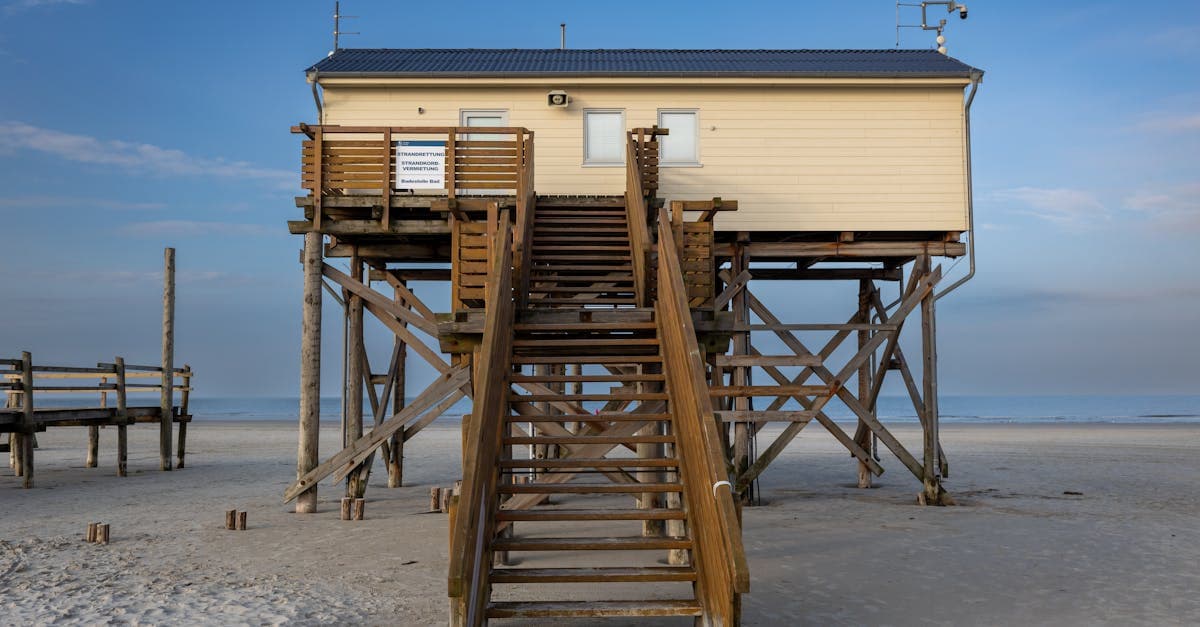
Elevated construction in Florida: Florida building codes require new construction in flood zones to be elevated above the base flood elevation. Homes built on pilings, stilts, or raised foundations comply with this requirement. Elevated homes still require flood insurance in mandatory zones but typically pay lower premiums because the living space is above the expected flood level.
Flood vents and openings: Enclosures below the base flood elevation — such as ground-level garages — must have flood vents that allow water to enter and exit freely. Proper flood vents reduce structural damage during flooding and can affect insurance ratings. However, they do not remove the insurance requirement.
Flood barriers and retrofits: Homeowners can install barriers, waterproof coatings, and other retrofits to reduce flood damage. These measures may qualify for premium discounts but do not change the flood zone designation or eliminate the insurance requirement. FEMA's Community Rating System provides premium discounts for communities that implement comprehensive flood mitigation.
The Community Rating System (CRS): Many Florida communities participate in the CRS, which recognizes community-level floodplain management activities that exceed NFIP minimum requirements. Participating communities earn premium discounts of 5 to 45 percent for their residents. These discounts reduce the cost of both required and voluntary flood insurance.
Mitigation grants: FEMA offers mitigation grants for flood-prone properties, including funding for elevation, flood-proofing, and in some cases, property buyouts. Florida homeowners with repetitive flood losses may qualify for increased mitigation assistance.
FEMA Flood Zones in Florida: What They Mean for Requirements
The records show a different story. FEMA classifies every area in the United States into flood zones based on the probability and type of flooding. In Florida, these zone designations are the primary driver of flood insurance requirements.
Zone A and its variants (AE, AH, AO, AR, A99): These are high-risk zones with a one percent or greater annual chance of flooding — the so-called 100-year flood zone. Zone AE is the most common in Florida, indicating that FEMA has determined the base flood elevation. Properties in A zones with federal mortgages face mandatory flood insurance. Florida has millions of properties in A zone designations.
Zone V and its variants (VE): These are coastal high-hazard zones subject to storm surge and wave action in addition to flooding. V zones represent the highest flood risk in Florida. Found along the coast, barrier islands, and low-lying coastal areas, V zone properties face the strictest insurance requirements and the highest premiums. VE zones include determined base flood elevations.
Zone X (shaded): Moderate flood risk, representing areas between the 100-year and 500-year flood boundaries. No federal insurance mandate applies, but flood risk is real. Many Florida properties in Zone X shaded have experienced significant flood damage from heavy rainfall and poor drainage.
Zone X (unshaded): Minimal flood risk areas outside the 500-year floodplain. No federal requirement and the lowest statistical flood risk. However, approximately 20 percent of NFIP claims come from X zones, demonstrating that minimal risk does not mean zero risk — particularly in Florida's flat terrain.
Zone D: Areas where flood hazards are undetermined because FEMA has not conducted a detailed flood study. Some Florida areas still carry Zone D designations. Lenders may require flood insurance in Zone D areas as a precautionary measure even though no formal FEMA determination exists.
How to check your zone: Visit FEMA's Flood Map Service Center at msc.fema.gov or your county's property appraiser website to look up your property's flood zone designation. The zone listed on the current Flood Insurance Rate Map determines your insurance requirement.
Flood Map Changes, Appeals, and Zone Reclassification in Florida
The records show a different story. FEMA flood maps are not permanent. They are periodically updated to reflect new data, changing conditions, and improved modeling. These updates can move Florida properties into or out of mandatory flood insurance zones.
How map changes happen: FEMA updates flood maps through a process that includes new engineering studies, updated topographic data, and community input. When a map revision affects your area, FEMA provides a public comment period before the new maps become effective. Florida communities and property owners can challenge proposed changes during this period.
Being mapped into a flood zone: When a Florida property is mapped into a Special Flood Hazard Area through a map revision, the homeowner with a federal mortgage must purchase flood insurance within the compliance window — typically 12 months from the effective date of the new map. Newly mapped properties may qualify for lower rates initially through the NFIP's grandfathering provisions.
Being mapped out of a flood zone: When a property is moved from a high-risk zone to a moderate or low-risk zone through a map revision, the mandatory flood insurance requirement is removed for future policy periods. However, FEMA and insurance professionals strongly recommend maintaining coverage because the underlying risk factors may not have changed.
Letter of Map Amendment (LOMA): Florida property owners who believe their property is incorrectly mapped in a flood zone can apply for a LOMA. This requires an elevation certificate from a licensed surveyor showing that the natural grade of the property is at or above the base flood elevation. A successful LOMA removes the property from the Special Flood Hazard Area and eliminates the mandatory insurance requirement.
Letter of Map Revision (LOMR): When physical changes to the landscape — like the construction of a levee, fill work, or drainage improvements — remove flood risk from an area, a LOMR can officially change the zone designation. This requires engineering documentation and FEMA approval.
Cost of appeals: LOMA applications for single residential lots have no FEMA processing fee when the request involves only a single structure. The primary cost is the elevation certificate from a surveyor, which typically runs $300 to $600 in Florida. This is a one-time cost that can permanently remove the flood insurance requirement.
FEMA Flood Zones in Florida: What They Mean for Requirements
The records show a different story. FEMA classifies every area in the United States into flood zones based on the probability and type of flooding. In Florida, these zone designations are the primary driver of flood insurance requirements.
Zone A and its variants (AE, AH, AO, AR, A99): These are high-risk zones with a one percent or greater annual chance of flooding — the so-called 100-year flood zone. Zone AE is the most common in Florida, indicating that FEMA has determined the base flood elevation. Properties in A zones with federal mortgages face mandatory flood insurance. Florida has millions of properties in A zone designations.
Zone V and its variants (VE): These are coastal high-hazard zones subject to storm surge and wave action in addition to flooding. V zones represent the highest flood risk in Florida. Found along the coast, barrier islands, and low-lying coastal areas, V zone properties face the strictest insurance requirements and the highest premiums. VE zones include determined base flood elevations.
Zone X (shaded): Moderate flood risk, representing areas between the 100-year and 500-year flood boundaries. No federal insurance mandate applies, but flood risk is real. Many Florida properties in Zone X shaded have experienced significant flood damage from heavy rainfall and poor drainage.
Zone X (unshaded): Minimal flood risk areas outside the 500-year floodplain. No federal requirement and the lowest statistical flood risk. However, approximately 20 percent of NFIP claims come from X zones, demonstrating that minimal risk does not mean zero risk — particularly in Florida's flat terrain.
Zone D: Areas where flood hazards are undetermined because FEMA has not conducted a detailed flood study. Some Florida areas still carry Zone D designations. Lenders may require flood insurance in Zone D areas as a precautionary measure even though no formal FEMA determination exists.
How to check your zone: Visit FEMA's Flood Map Service Center at msc.fema.gov or your county's property appraiser website to look up your property's flood zone designation. The zone listed on the current Flood Insurance Rate Map determines your insurance requirement.
Flood Map Changes, Appeals, and Zone Reclassification in Florida
The records show a different story. FEMA flood maps are not permanent. They are periodically updated to reflect new data, changing conditions, and improved modeling. These updates can move Florida properties into or out of mandatory flood insurance zones.
How map changes happen: FEMA updates flood maps through a process that includes new engineering studies, updated topographic data, and community input. When a map revision affects your area, FEMA provides a public comment period before the new maps become effective. Florida communities and property owners can challenge proposed changes during this period.
Being mapped into a flood zone: When a Florida property is mapped into a Special Flood Hazard Area through a map revision, the homeowner with a federal mortgage must purchase flood insurance within the compliance window — typically 12 months from the effective date of the new map. Newly mapped properties may qualify for lower rates initially through the NFIP's grandfathering provisions.
Being mapped out of a flood zone: When a property is moved from a high-risk zone to a moderate or low-risk zone through a map revision, the mandatory flood insurance requirement is removed for future policy periods. However, FEMA and insurance professionals strongly recommend maintaining coverage because the underlying risk factors may not have changed.
Letter of Map Amendment (LOMA): Florida property owners who believe their property is incorrectly mapped in a flood zone can apply for a LOMA. This requires an elevation certificate from a licensed surveyor showing that the natural grade of the property is at or above the base flood elevation. A successful LOMA removes the property from the Special Flood Hazard Area and eliminates the mandatory insurance requirement.
Letter of Map Revision (LOMR): When physical changes to the landscape — like the construction of a levee, fill work, or drainage improvements — remove flood risk from an area, a LOMR can officially change the zone designation. This requires engineering documentation and FEMA approval.
Cost of appeals: LOMA applications for single residential lots have no FEMA processing fee when the request involves only a single structure. The primary cost is the elevation certificate from a surveyor, which typically runs $300 to $600 in Florida. This is a one-time cost that can permanently remove the flood insurance requirement.
The Future of Flood Insurance Requirements in Florida
Our investigation revealed something surprising. Flood insurance requirements in Florida are likely to evolve as climate change, sea level rise, and updated flood modeling expand the understanding of where flood risk exists and how it should be managed.
Expanding flood zones: As FEMA updates flood maps with better data and modeling, more Florida properties are likely to be mapped into Special Flood Hazard Areas. Sea level rise, changing rainfall patterns, and improved understanding of compound flooding events will expand the mapped risk areas.
Potential federal legislation: Congress periodically considers changes to the NFIP and flood insurance requirements. Proposals have included expanding the mandatory purchase requirement to moderate-risk zones, increasing NFIP coverage limits, and restructuring the program's finances. Any legislative changes could significantly affect Florida given the state's outsized participation.
State-level initiatives: Florida legislators have explored additional state requirements and incentives related to flood insurance, including disclosure requirements, mitigation incentives, and support for the private flood insurance market. State-level action could supplement or extend the federal mandate.
Climate-driven risk migration: As flood risk increases in areas currently mapped as moderate or low risk, the disconnect between the federal mandate and actual risk will likely drive either expanded requirements or increased awareness campaigns encouraging voluntary coverage.
Private market growth: The growth of private flood insurance in Florida may influence how requirements are structured and enforced. As private options become more widely available and competitive, the requirement framework may adapt to accommodate private policies more seamlessly.
What homeowners should do now: Regardless of how requirements evolve, the prudent approach for Florida homeowners is to evaluate actual flood risk independently of the federal mandate. If your property faces meaningful flood exposure — and in Florida, most properties do — carry flood insurance whether it is required or not.
How Mortgage Lenders Enforce Flood Insurance Requirements in Florida
The records show a different story. Mortgage lenders are the primary enforcement mechanism for flood insurance requirements in Florida. Federal banking regulators require lenders to verify flood insurance at closing and monitor compliance throughout the loan term.
At closing: Before a Florida mortgage can close, the lender must obtain a flood zone determination for the property. If the determination shows the property is in a Special Flood Hazard Area, the lender must require proof of flood insurance before funding the loan. The coverage must be in place at closing, and the policy must name the lender as the mortgagee.
Annual verification: Lenders are required to track flood insurance coverage on every mortgage in a flood zone. At each policy renewal, the lender verifies that coverage remains in force and meets the minimum required amount. If the borrower fails to renew, the lender must take action.
Force-placed insurance: When a Florida homeowner in a mandatory zone fails to maintain flood insurance, the lender is required to force-place coverage. Force-placed flood insurance is expensive — often two to three times the cost of a standard policy — and provides minimal coverage that protects the lender's interest. The cost is added to the borrower's mortgage payment or escrow account.
Escrow requirements: Since 2016, lenders have been required to escrow flood insurance premiums for most residential loans in flood zones, similar to how they escrow property taxes and homeowners insurance. This helps ensure continuous coverage by collecting premiums through the monthly mortgage payment.
Lender liability: Federal regulators can impose penalties on lenders who fail to enforce flood insurance requirements. These penalties incentivize strict compliance, which is why lenders are aggressive about verifying coverage and force-placing insurance when borrowers let coverage lapse.
What lenders do not do: Lenders ensure that the federal minimum requirement is met, but they do not verify that coverage is adequate for the homeowner's full replacement cost. A lender may be satisfied with $200,000 in coverage on a home that costs $400,000 to rebuild, as long as the $200,000 meets the federal minimum formula.
Why Florida's Flood Risk Is Unique and Requirements Are So Important
The records show a different story. Florida's geographic and climatic characteristics create flood risk that is unmatched in the continental United States. Understanding these factors explains why flood insurance requirements are so prevalent and why voluntary coverage is so strongly recommended.
Flat terrain: Florida's average elevation is just 100 feet above sea level, making it the flattest state in the nation. This flat terrain means water has nowhere to go during heavy rainfall. Instead of flowing downhill to natural drainage channels, water pools and spreads across the landscape, flooding homes that may be far from any body of water.
Coastal exposure: With 1,350 miles of coastline, Florida has the second-longest coastline in the nation. This coastal exposure creates massive storm surge risk during hurricanes and tropical storms. Storm surge can push walls of ocean water miles inland, flooding entire communities in hours.
Hurricane frequency: Florida is struck by tropical storms and hurricanes more frequently than any other state. The Atlantic hurricane season runs from June through November, and Florida's geographic position makes it vulnerable to storms from the Atlantic, the Gulf of Mexico, and the Caribbean.
Rainfall intensity: Florida receives an average of 54 inches of rain annually, with intense convective storms that can drop several inches per hour. Even without a tropical system, an afternoon thunderstorm can overwhelm drainage systems and cause localized flooding that damages homes.
Rising sea levels: Sea level rise is particularly acute in South Florida, where the porous limestone geology allows saltwater intrusion that can raise water tables and reduce the effectiveness of drainage systems. Higher baseline water levels make every storm event more likely to produce flooding.
Aging infrastructure: Many Florida communities have stormwater management systems designed for lower rainfall intensities and smaller populations than they now serve. As development increases impervious surfaces and climate change increases rainfall intensity, these systems are increasingly overwhelmed during major rain events.
Quick Takeaways on Florida Flood Insurance Requirements
If you remember nothing else from this guide, remember these five points:
One: Flood insurance is required in Florida when your property is in a FEMA Special Flood Hazard Area and you have a federally backed mortgage. Both conditions must be present for the mandate to apply.
Two: Standard homeowners insurance in Florida does not cover flood damage. Period. A separate flood policy is the only way to insure against rising water, storm surge, and surface water flooding.
Three: Over 25 percent of flood claims come from outside high-risk zones. Living outside a mandatory zone in Florida does not mean you are safe from flooding. Voluntary coverage is strongly recommended.
Four: If your flood insurance lapses, your lender will force-place expensive coverage that primarily protects their interest, not yours. Maintain continuous coverage to avoid this costly consequence.
Five: Check your flood zone at msc.fema.gov, verify your coverage meets requirements, and evaluate your actual risk independently of the mandate. In Florida, flood insurance is always worth serious consideration.
Continue reading

Independent Agents vs Direct Carriers: How Quote Sources Affect Comparison
Where you get your quotes affects what you see. Independent agents compare multiple carriers while direct carriers show only their own products. Understanding this distinction shapes your comparison strategy.

Policy Checkup for Life Insurance: Does Your Coverage Still Match Your Needs?
Life insurance needs change as children grow, mortgages are paid down, and retirement savings accumulate. A checkup ensures your death benefit still provides the protection your family needs.

Assignment of Benefits and Insurance Litigation: How Lawsuits Escalate
When a contractor with your AOB disputes the insurer's payment, they can sue your insurer in your name. This litigation drives up costs and can affect your claims history.